
Professional Ant Control Services
Professional Solutions for Ant Infestations
Ants are among the most common household pests, and once they establish a colony, they can be exceptionally difficult to eliminate. With over 10,000 ant species worldwide and about 25 that commonly infest homes, these persistent invaders require professional attention for effective control. Our comprehensive ant control services provide targeted solutions to eliminate current infestations and prevent future problems.


Understanding Ants
What Are Ants?
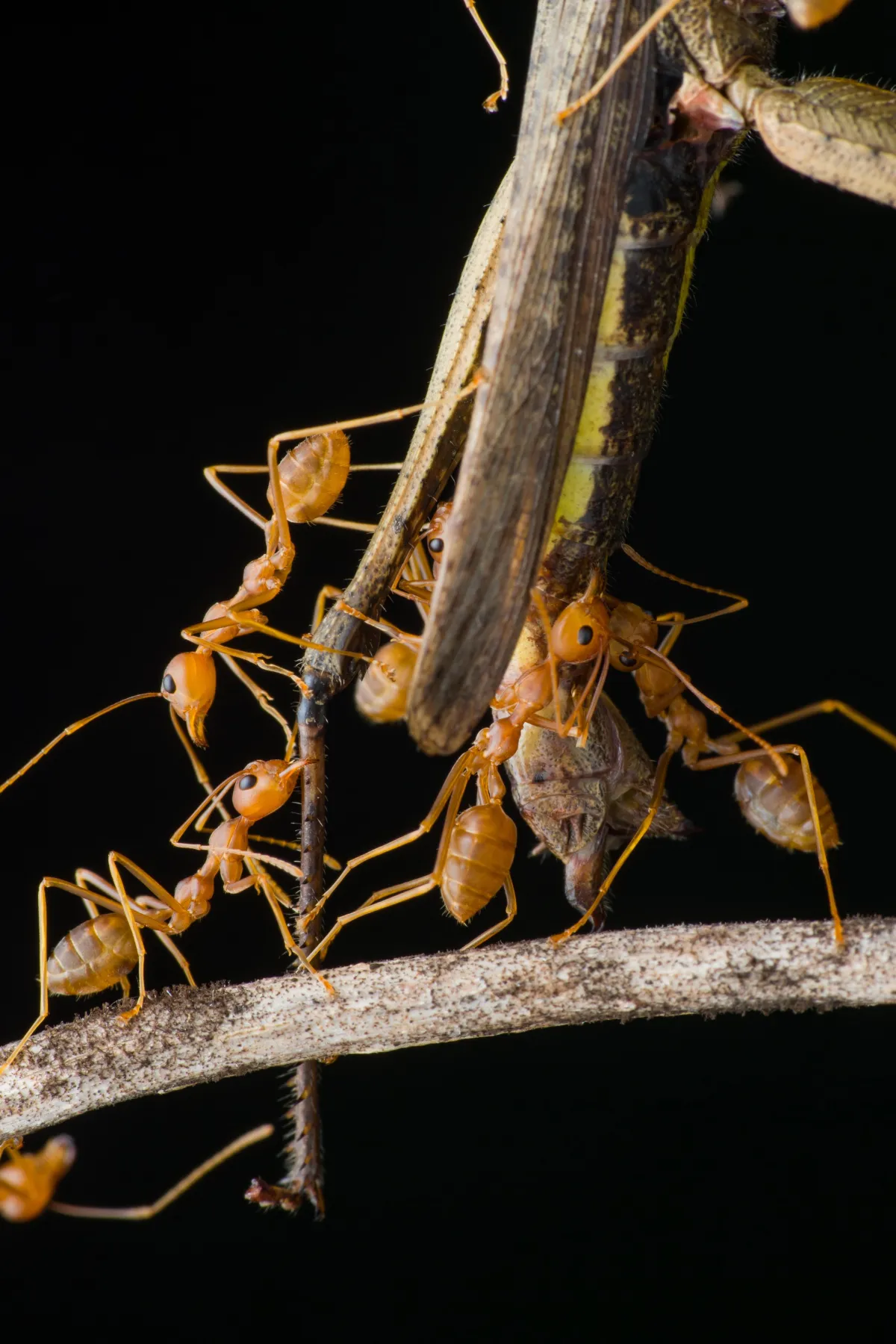
Ants are social insects belonging to the same family as bees and wasps. They live in highly organized colonies that can range from a few dozen to millions of individuals. Their complex social structure and adaptable nature make them particularly challenging to control once established.
Ants Characteristics
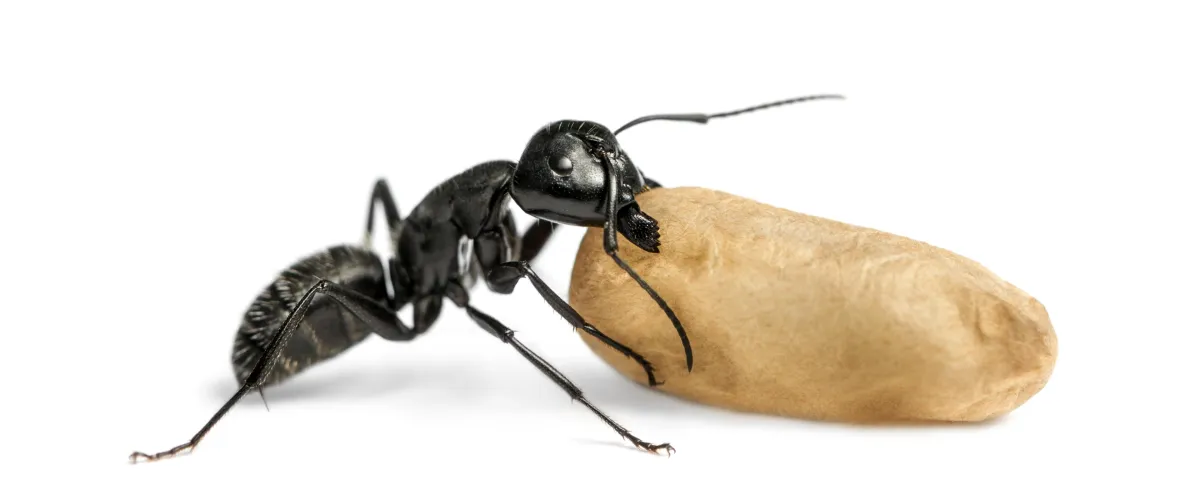
Appearance: Three distinct body regions (head, thorax, abdomen), narrow "waist," elbowed antennae
Size: Typically range from 1/12 to 1 inch depending on species
Colony Structure: Queen(s), female workers, and males with specialized roles
Lifespan: Can range from several weeks to several years depending on species and role
Diet: Omnivorous, but many species are particularly attracted to sweets or proteins

Signs of an Ant Infestation
You may have an ant problem if you notice:
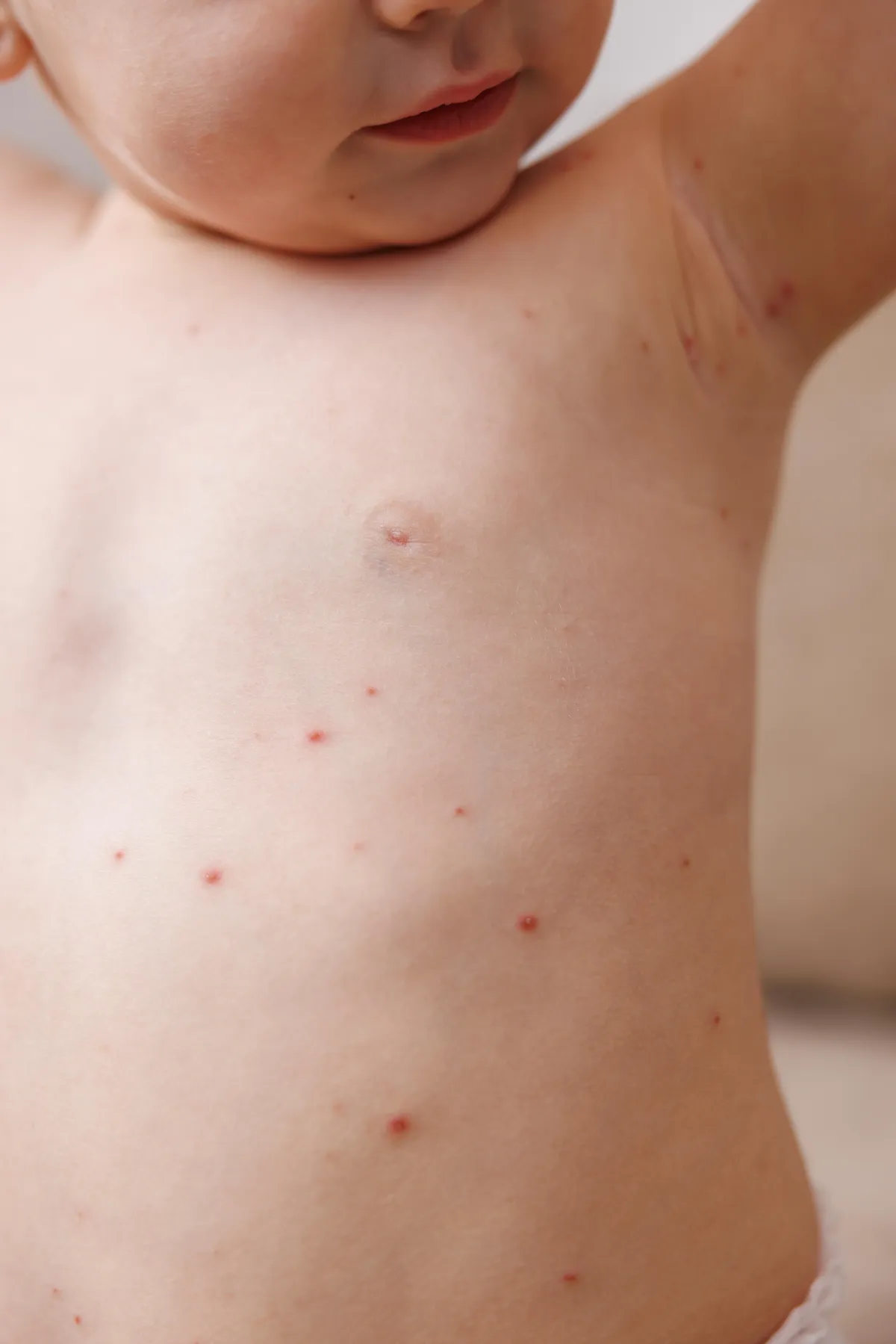
Ant Trails:
Lines of ants moving in an organized path
Live Ants:
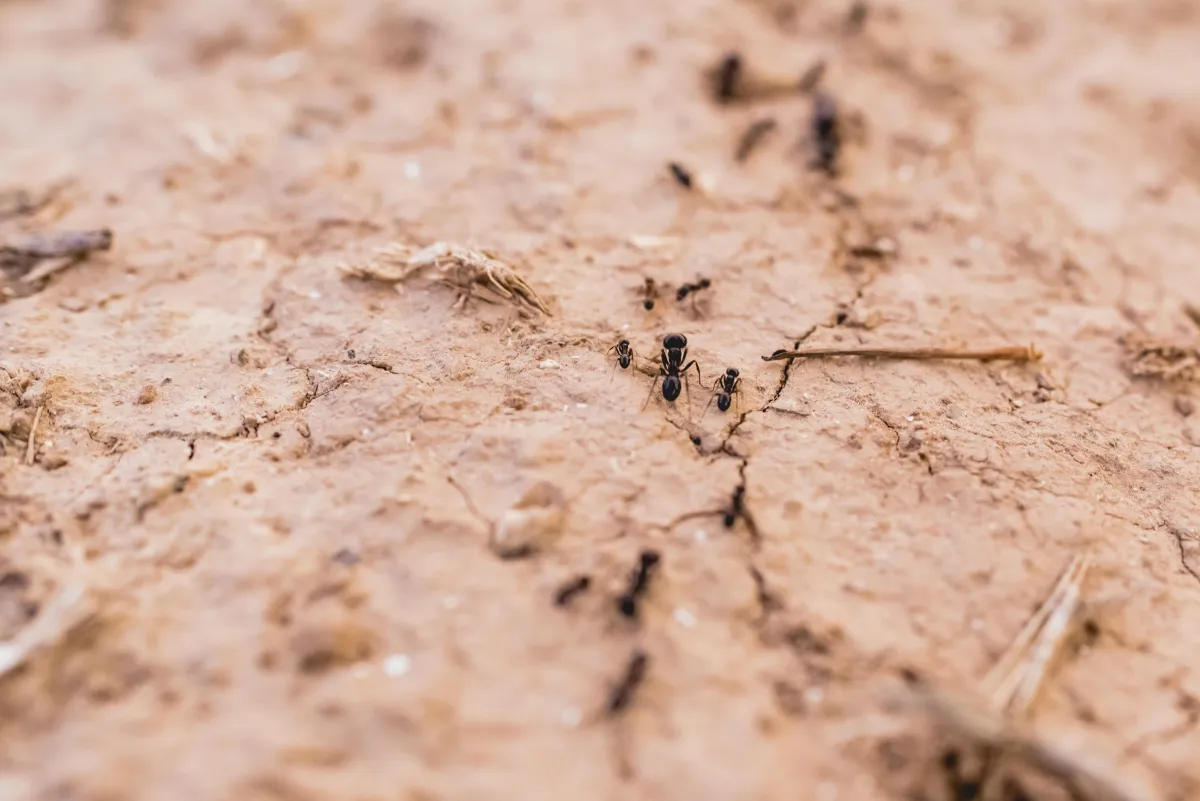
Even a few visible ants can indicate a larger colony nearby
Nests:
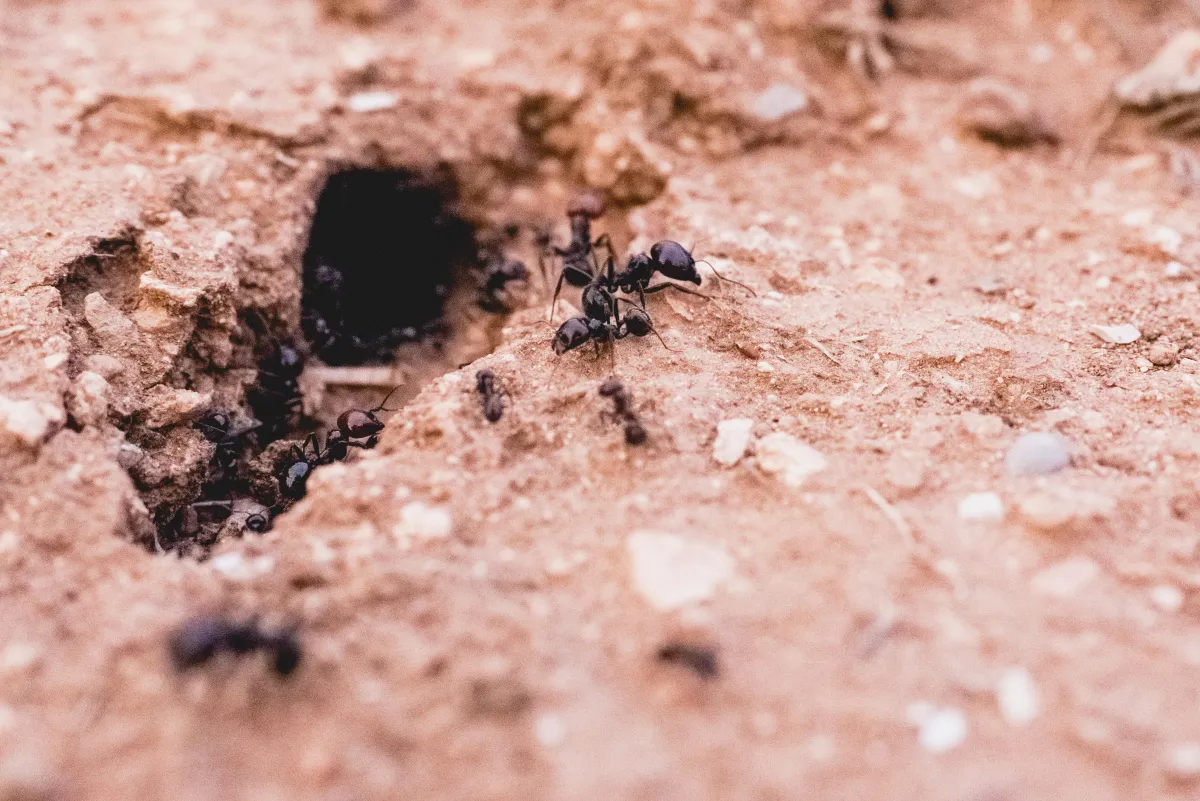
Small piles of soil or debris pushed out from cracks
Winged Ants:
Flying reproductive ants (swarmers) seeking to establish new colonies
Wood Shavings:
Sawdust-like material (frass) indicating carpenter ant activity
Where to Look
Rustling Sounds:
Faint noises in walls from large carpenter ant colonies
Hollow-Sounding Wood:
Areas damaged by carpenter ants
Damaged Food Packaging:
Small holes or tears in food containers
Damaged Food Packaging:
Small holes or tears in food containers

What Causes Ant Infestations?
Several factors can make your home attractive to ants:
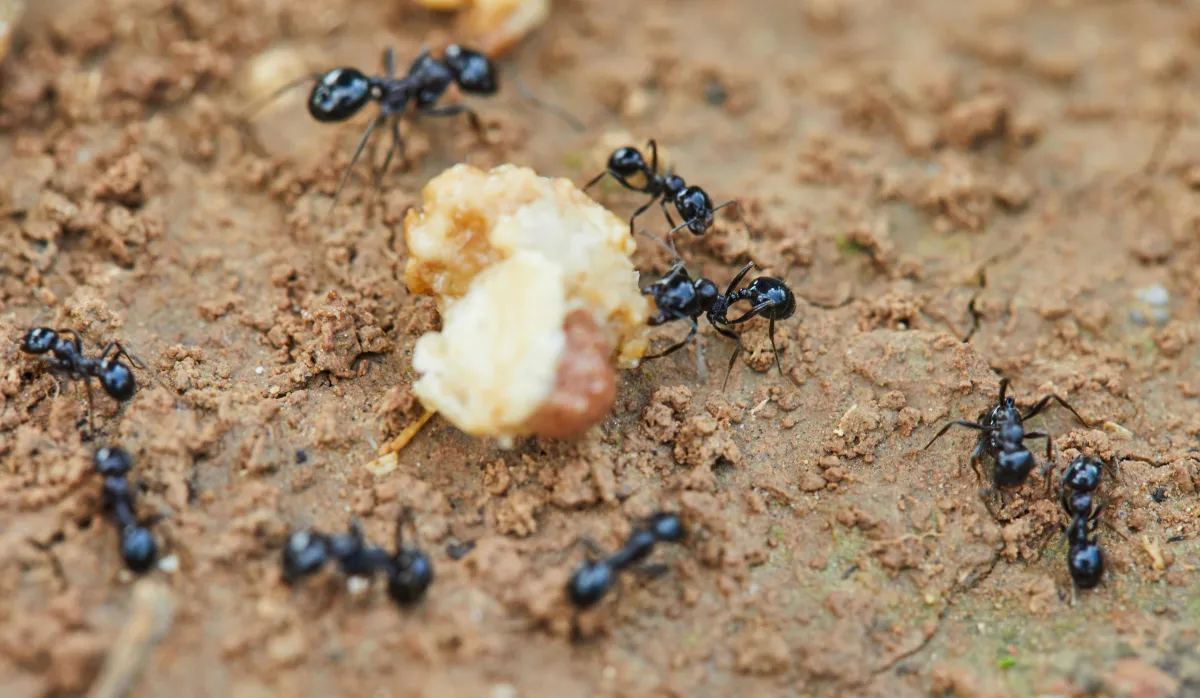

Food Sources
Crumbs and Spills: Food debris on counters, floors, or in pantries
Unsealed Food: Open containers of sugar, honey, pet food, or other attractive foods
Dirty Dishes: Leftover food residue on unwashed dishes
Pet Food: Open bowls of pet food, especially when left out overnight

Moisture Issues
Leaky Pipes: Dripping faucets or plumbing leaks
Standing Water: Water accumulation in sinks, tubs, or basements
High Humidity: Damp areas in kitchens, bathrooms, or basements
Wet Wood: Moisture-damaged structural wood attractive to carpenter ants

Entry Points
Cracks and Gaps: Small openings in foundations, walls, or windows
Utility Penetrations: Spaces around pipes, wires, or cables entering your home
Door and Window Frames: Gaps or damaged weather stripping
Vegetation Contact: Plants touching your home creating "bridges" for ants
The Risks of Ant Infestations
While most ants are primarily a nuisance, they can cause several problems:

Food Contamination:
Bacteria spread when ants crawl across food surfaces
Allergic Reactions:
Some individuals may react to certain ant species
Painful Stings:
Fire ants and some other species can deliver painful stings
Safety Concerns
Improper use of chemicals can pose health risks
Disease Transmission:
Some ant species can carry pathogens

Our Comprehensive Ant Control Approach
We take a multi-faceted approach to ant control:
Thorough Inspection
Our technicians will conduct a detailed inspection to:
Identify the specific ant species present
Locate nests, entry points, and trails
Determine the extent of the infestation
Identify conducive conditions that may be attracting ants

Customized Treatment Plan
Based on our findings, we'll develop a tailored ant control strategy that may include
Exterior Treatments
Perimeter treatments to create a protective barrier
Direct nest treatments when colonies are accessible
Granular bait applications in landscaped areas
Targeted crack and crevice treatments at entry points
Interior Treatments
Strategic placement of ant baits along travel routes
Non-repellent insecticide applications where appropriate
Crack and crevice treatments in problem areas
Dust applications in wall voids for carpenter ants
Prevention Strategies
We'll help prevent future ant problems by:
Recommending moisture control solutions
Identifying and sealing entry points
Suggesting landscaping modifications
Advising on proper food storage and sanitation
Follow-Up Protection
Our commitment to ant control includes:
Scheduled follow-up visits to ensure complete elimination
Monitoring for new activity
Additional treatments as needed
Continuous protection against future infestations

Why Our Ant Control Works
Our approach is effective because we:

Target the Colony
Focus on eliminating the queen(s) and entire colony, not just visible worker ants
Use professional-grade baits that workers carry back to the nest
Implement non-repellent products that spread throughout the colony via social interaction
Address Root Causes
Identify and remediate conditions attracting ants to your property
Seal entry points to prevent new colonies from establishing
Recommend ongoing prevention practices to keep ants away

Provide Ongoing Protection
Scheduled maintenance visits to maintain protective barriers
Prompt response if ants return between scheduled visits
Seasonal adjustments to address changing ant behaviors

Ant Prevention Tips
To help keep ants away from your home:
Kitchen Management
Clean spills and crumbs immediately
Store food in airtight containers
Take out garbage regularly
Wash dishes promptly
Keep pet food bowls clean and put away overnight
Home Maintenance
Seal cracks around windows, doors, and foundation
Fix leaky pipes and faucets
Reduce excess moisture with dehumidifiers if needed
Trim tree branches and shrubs away from your house
Keep firewood and building materials away from the foundation
Yard Management
Keep vegetation trimmed back from your home
Remove leaf litter and debris from around the foundation
Ensure proper drainage away from your home
Address ant mounds promptly when they appear
Our Ant Control Guarantee
We stand behind our services with our satisfaction guarantee. If ants return between scheduled treatments, so will we at no additional cost to you.
Frequently Asked Questions
Get answers to common questions about bed bugs
How do I get rid of ants?
Effective ant control requires a multi-faceted approach:
Identify the Species: Different ant species require different control strategies
Find the Source: Locate trails, entry points, and if possible, the nest
Eliminate Attractants: Clean up food sources and address moisture issues
Use Appropriate Baits: Select baits targeting the specific ant species
Apply Barrier Treatments: Create defensive perimeters around your home
Seal Entry Points: Close off cracks, gaps, and openings ants use to enter
Address Moisture Issues: Fix leaks and reduce humidity in problem areas
Maintain Cleanliness: Establish regular cleaning routines to prevent recurrence
While DIY methods may provide temporary relief, professional ant control offers more comprehensive and lasting results by targeting the entire colony rather than just visible ants.
How do I find the ants' nest?
Finding an ant nest can be challenging as they're often hidden or located outside your property. Look for these indicators:
Follow Ant Trails: Worker ants typically travel along defined paths between food sources and their nest
Check Moist Areas: Many ant species prefer damp environments like under sinks, around bathtubs, or near leaky pipes
Inspect Wall Voids: Tap along walls where ants are frequent—hollow sounds may indicate carpenter ant nests
Look for Debris: Small piles of soil, wood shavings, or insulation material can indicate nest excavation
Check Outside: Examine the foundation perimeter, particularly on the sunny side of buildings
Inspect Landscape Features: Look under rocks, pavers, mulch, or at the base of plants
Watch at Dusk or Dawn: Some species are more active during these times, making trails more visible
Professional pest control technicians have the training and tools to locate nests efficiently, often using specialized equipment like moisture meters or infrared cameras for carpenter ant nests.
What does an ant infestation look like?
An ant infestation typically presents several recognizable signs:
Primary Hiding Spots:
Visible Ant Trails: Lines of ants moving between food sources and entry points
Groups Around Food: Clusters of ants on countertops, floors, or pet food bowls
Regular Sightings: Consistently seeing ants indoors, especially in kitchens and bathrooms
Sawdust-Like Material: Wood shavings (frass) near wooden structures indicating carpenter ants
Dirt Mounds: Small piles of soil near cracks in pavements, foundations, or in lawns
Winged Ants: Sudden appearance of flying ants indoors, often near windows
Rustling Sounds: Faint noises in walls from larger colonies (particularly carpenter ants)
Damaged Wood: Hollow-sounding or damaged wooden structures with smooth tunnels inside
Electrical Issues: Some ant species can nest in electrical boxes causing shorts
The severity of infestation can range from occasional sightings to hundreds of visible ants. Even seeing just a few ants regularly can indicate a larger hidden colony.
Does bleach kill ants?
While bleach can kill ants on contact, it's not an effective long-term solution for several reasons:
Surface Treatment Only: Bleach only kills ants it directly contacts
No Residual Effect: Once dried, bleach provides no ongoing protection
Doesn't Reach Colony: Doesn't address the queen or nest where most ants reside
May Repel Rather Than Attract: Strong smell can deter ants from taking the chemical back to the colony
Health and Safety Concerns: Bleach is caustic and can damage surfaces, fabrics, and pose risks to pets and children
Environmental Impact: Harsh on beneficial soil organisms when used outdoors
More effective approaches include using ant baits that workers carry back to the colony, addressing entry points, and eliminating food and moisture sources. Professional pest control provides comprehensive treatment that targets the entire colony for long-lasting results.
How to get rid of ants in the kitchen?
To eliminate ants in your kitchen:
Clean Thoroughly: Wipe counters with vinegar-water solution to remove ant pheromone trails
Eliminate Food Sources: Store food in airtight containers, clean spills immediately, and take out garbage regularly
Use Appropriate Baits: Place ant baits where you've seen activity (sugar-based for sweet-loving ants, protein-based for grease-loving ants)
Find Entry Points: Inspect for cracks around windows, doors, pipes, and seal them with caulk
Address Moisture Issues: Fix leaky faucets and pipes that attract ants
Create Barriers: Apply food-grade diatomaceous earth along entry points
Maintain Regular Cleaning: Sweep and mop floors daily, wipe counters, and don't leave dirty dishes overnight
Store Pet Food Properly: Don't leave pet food out overnight, use ant-proof pet dishes
For persistent problems, professional pest control offers targeted treatments that eliminate the colony source, not just the visible ants in your kitchen.
Ready for Ant-Free Living?
Don't let ants take over your home. Our professional ant control services provide effective, lasting solutions to eliminate these persistent pests.
Or call us directly
(866) 555-7890
We guarantee your satisfaction—if ants return between scheduled treatments, so will we at no additional cost.


© Copyright 2026. [Snapshot] -[Lead Machine: Pest Control]. All Rights Reserved.