
Professional Selverfish Control Services
Professional Solutions for Silverfish Infestations
Though they may appear harmless, silverfish can quickly become destructive pests in your home. These nocturnal, silver-scaled insects feed on paper, clothing, and other valuable items, potentially causing significant damage if left unchecked. Our professional silverfish control services provide effective solutions to eliminate these elusive pests and prevent future infestations.

Understanding Silverfish
What Are Silverfish?
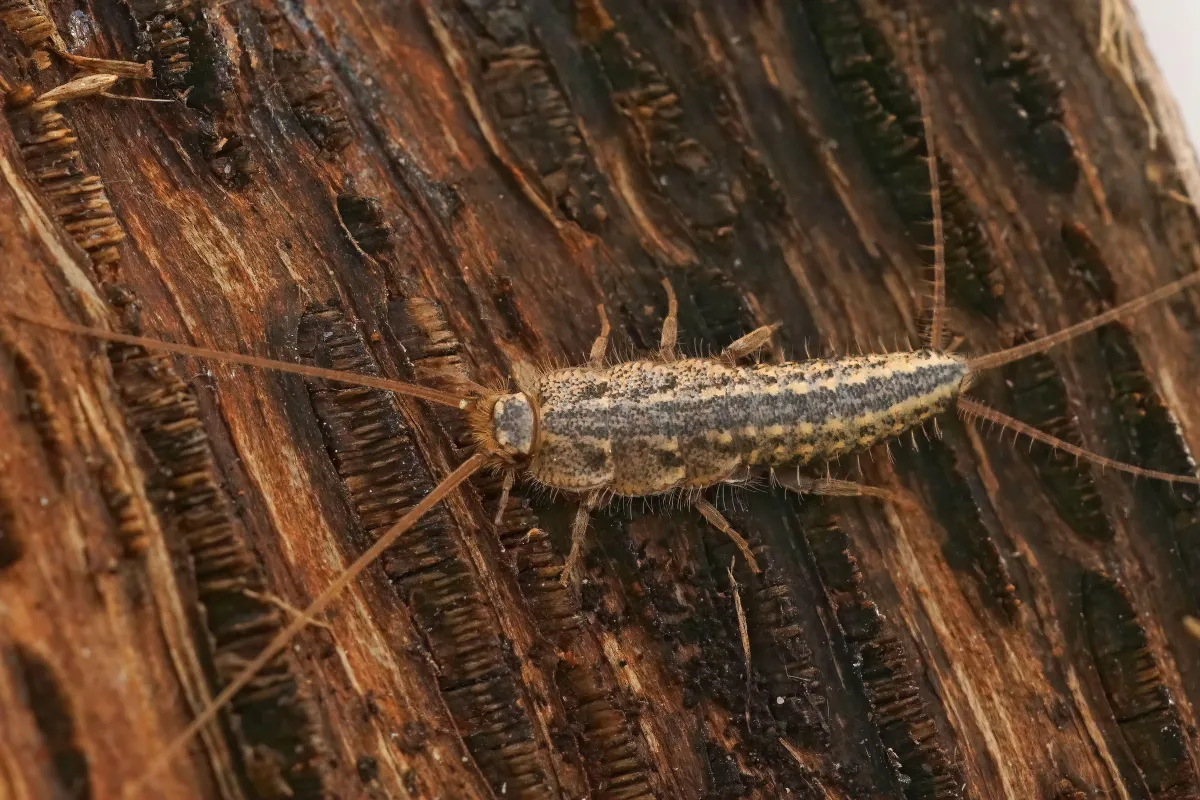
Silverfish (Lepisma saccharina) are primitive, wingless insects named for their silvery, metallic appearance and fish-like movement patterns. These ancient pests have remained largely unchanged for millions of years and are commonly found in homes where they seek out dark, humid environments and feed on carbohydrate-rich materials like paper, fabrics, and stored foods.
Cockroach Characteristics
Appearance: Teardrop-shaped, flat bodies with a silvery or pearl-gray metallic sheen
Size: Typically 0.5 to 0.75 inches long
Body Structure: Three long, bristle-like appendages at the rear and two long antennae
Lifespan: Can live 2-8 years in ideal conditions
Diet: Primarily carbohydrates and proteins found in paper, glue, fabrics, and stored foods

Common Silverfish Hiding Places
Several factors can make your home attractive to silverfish:

Common Silverfish
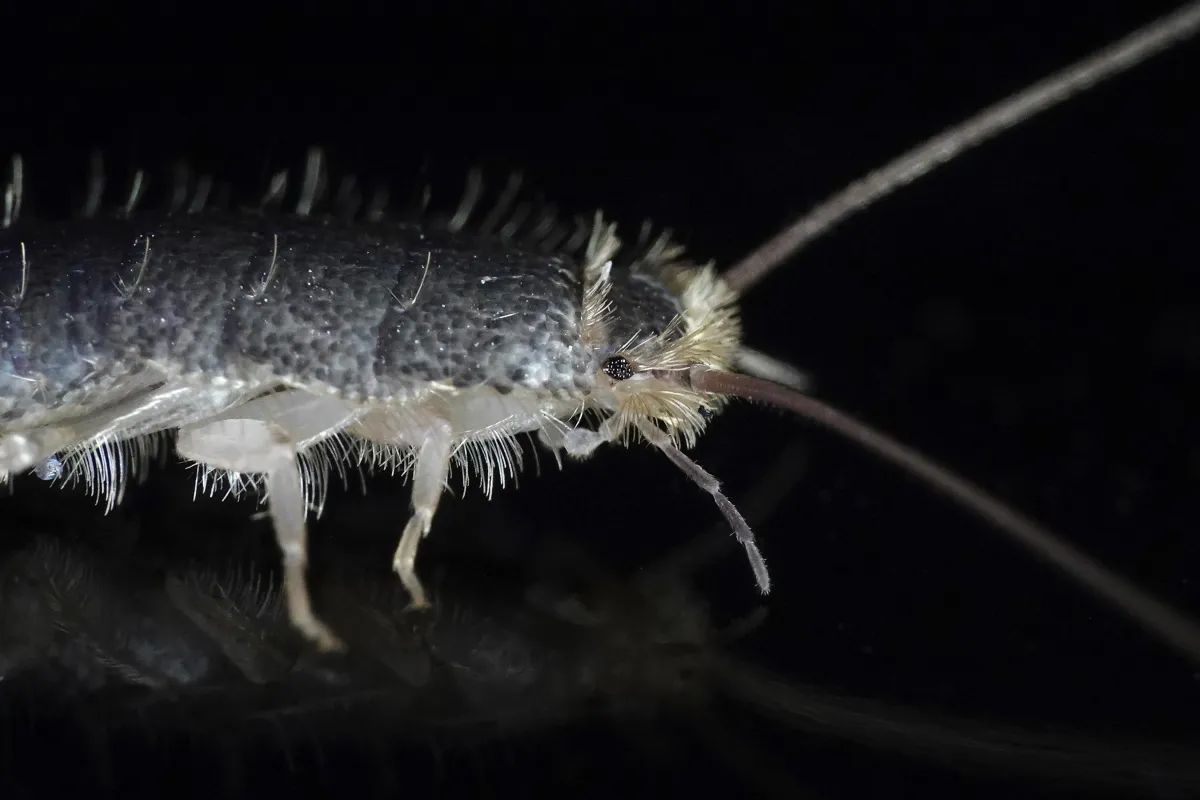
Size: 0.5 to 0.75 inches long
Color: Silvery or pearl-gray with metallic sheen
Behavior: Found in bathrooms, kitchens, and basements with high moisture
Concern: Damages paper, damages fabrics, contaminates food products

Gray Silverfish
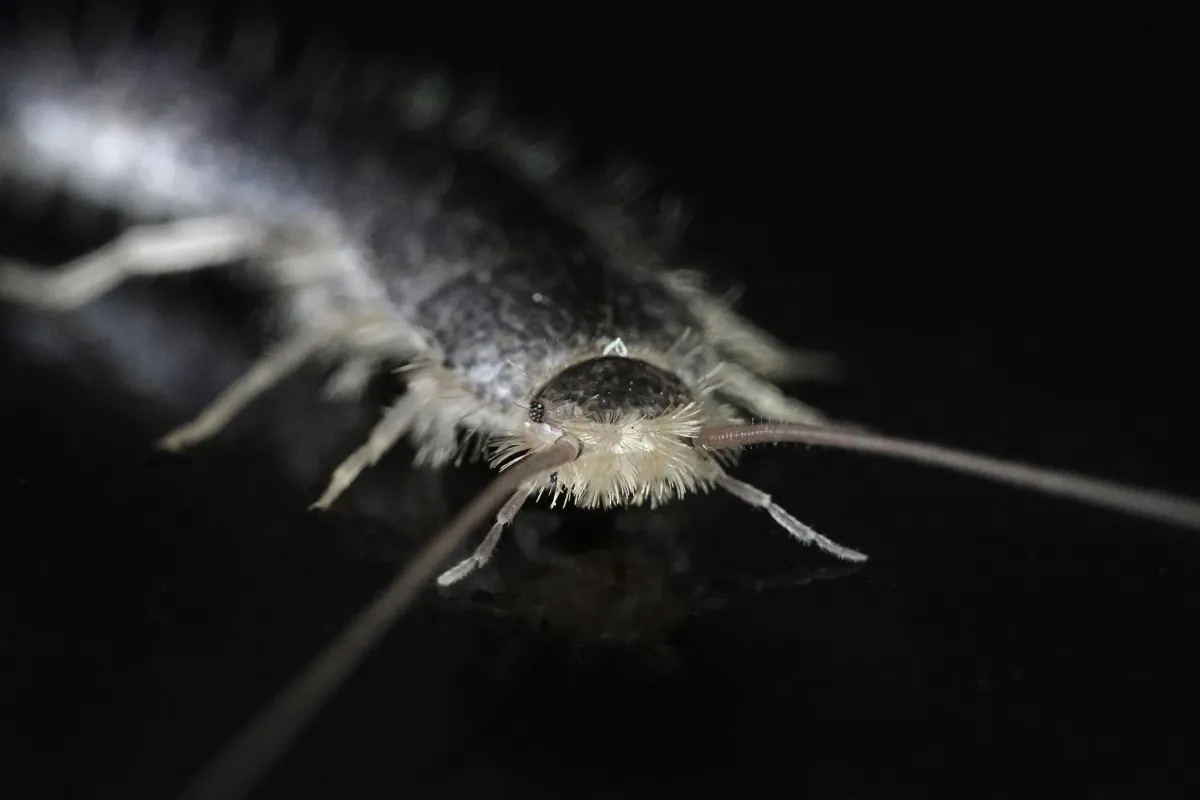
Size: 0.75 to 1 inch long
Color: Gray to brownish-gray with metallic appearance
Behavior: Prefers cooler areas with moderate humidity
Concern: Damages books, papers, and stored clothing items
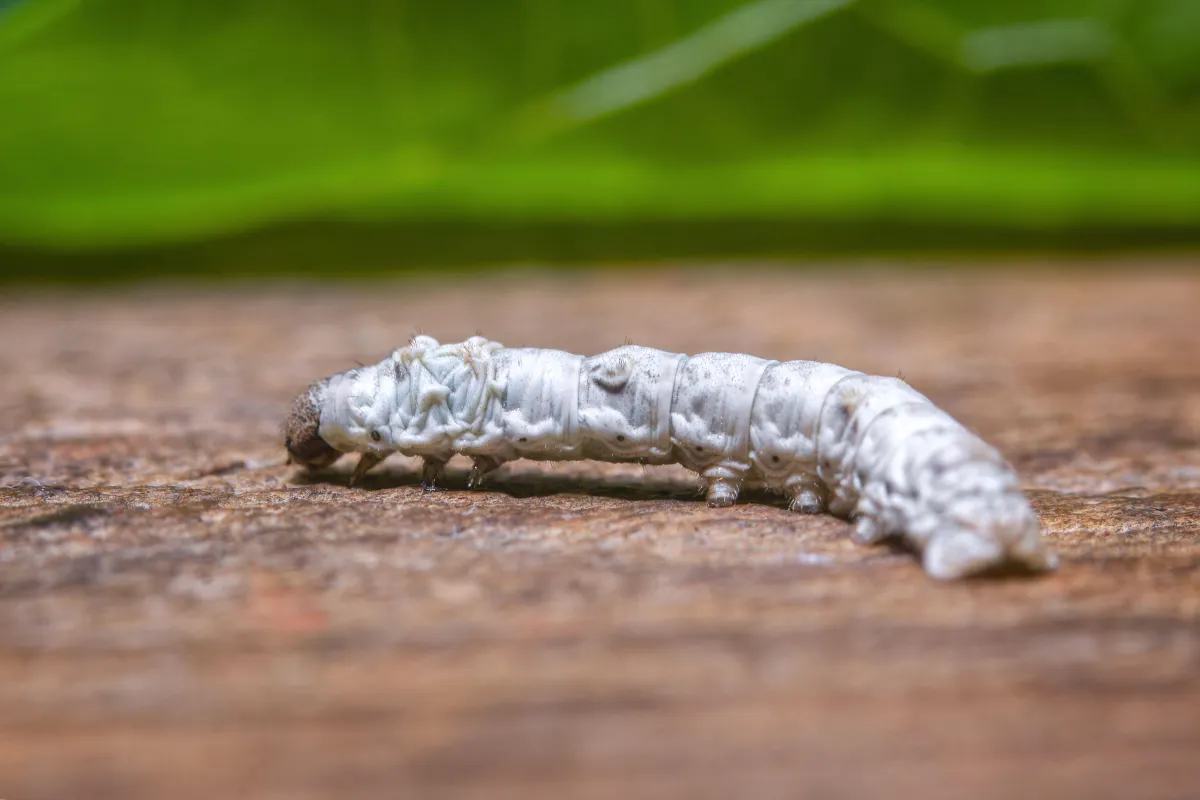

Firebrat
Size: 0.4 to 0.5 inches long
Color: Mottled gray with darker patches
Behavior: Prefers warmer areas near heat sources
Concern: Damages paper, textiles, and stored foods

Signs of a Silverfish Infestation
You may have a silverfish problem if you notice:
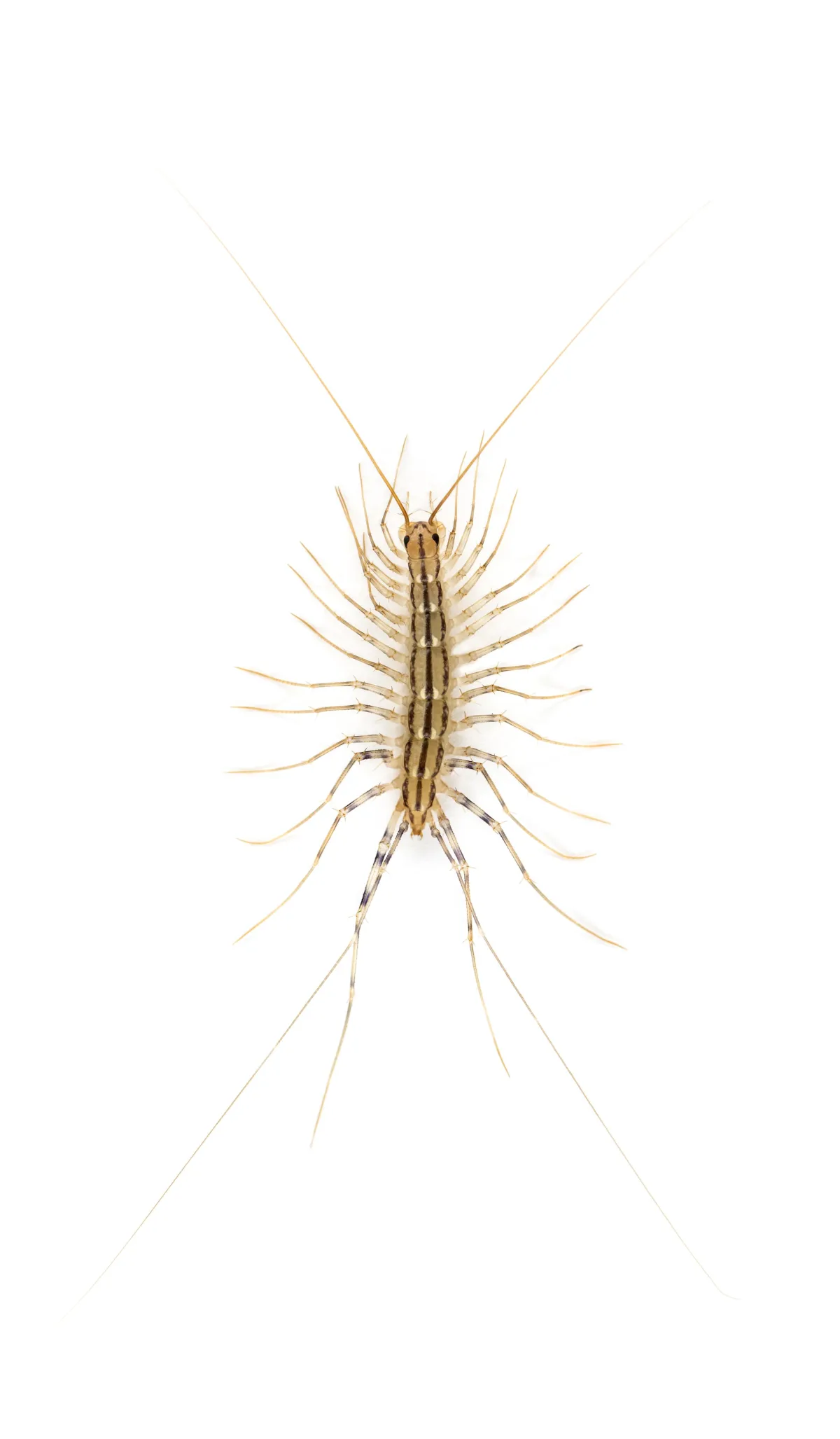
Live Sightings:
Actual silverfish, typically seen at night in bathrooms, kitchens, or basements
Damage Evidence:
Small irregular holes, yellow staining, or notches along edges of papers and fabrics
Scale Sheddings:
Tiny silver or translucent scales left behind as silverfish molt
Droppings:
Small black pepper-like specks in areas where silverfish are active
Yellow Stains:
Discoloration on fabrics, paper, or other materials
Hidden Indications
Sticky Surfaces:
Silverfish leave behind a yellow residue that can feel sticky
Nighttime Activity:
More silverfish sightings when lights are turned on at night
Moisture Issues:
Signs of water damage or high humidity in areas with silverfish activity
Paper Deterioration:
Books or documents showing unexplained deterioration around edges
The Risks of Silverfish Infestations
Silverfish can cause several problems in your home:
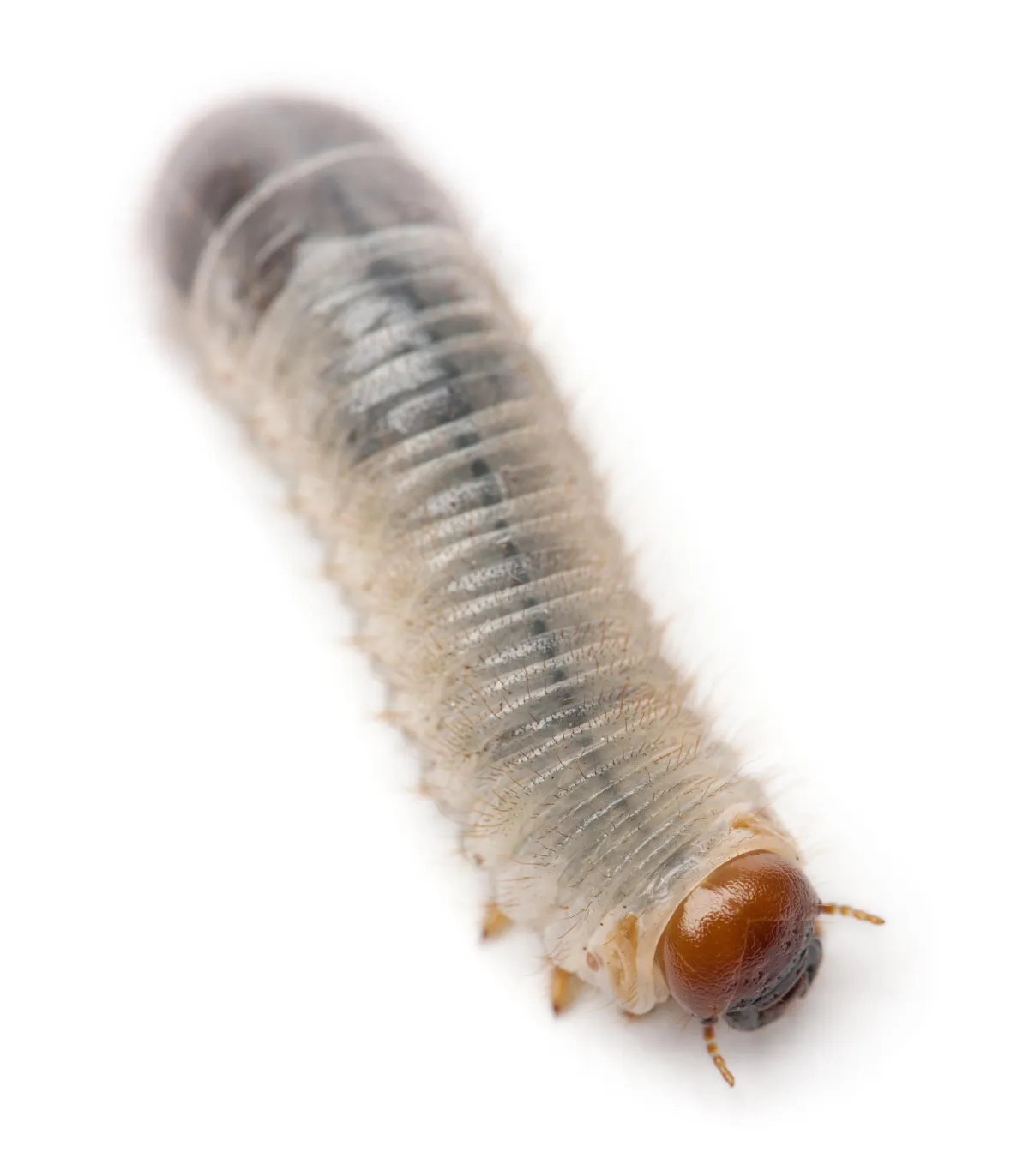
Paper Damage:
Damage to books, photographs, wallpaper, and important documents
Fabric Destruction:
Irregular holes or yellow staining on clothing, linens, and upholstery
Food Contamination:
Infestation and contamination of pantry items, especially starchy foods
Moisture Indication:
Their presence often signals excessive humidity or water leaks
Secondary Pests:
Can attract carpet beetles and other pests that feed on similar materials

Our Comprehensive Silverfish Control Approach
We take a multi-faceted approach to silverfish control:
Thorough Inspection
Our technicians will conduct a detailed inspection to: Identify the extent of the infestation
Locate silverfish harborage areas
Determine moisture sources contributing to the problem
Identify structural issues that may be enabling the infestation

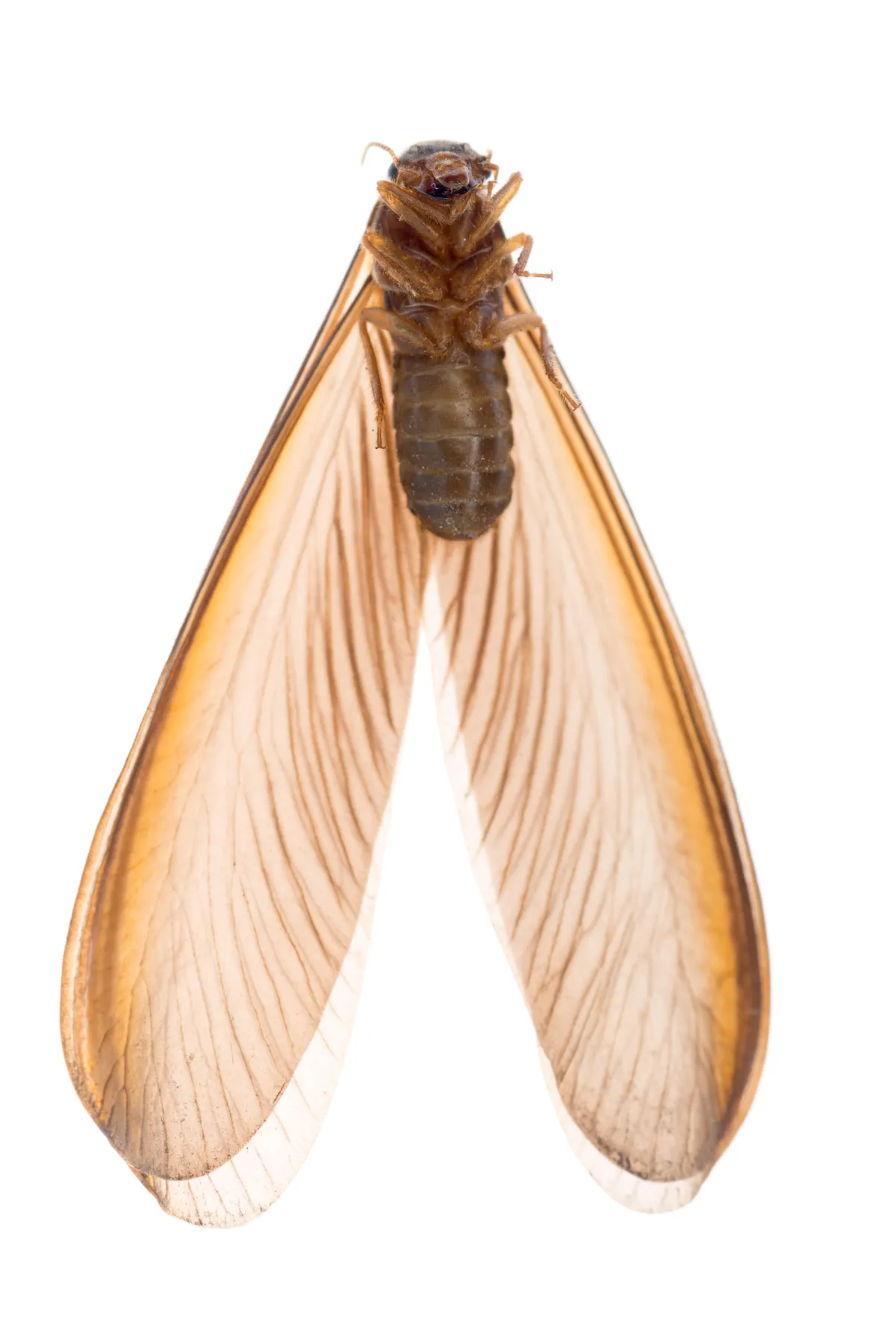
Customized Treatment Plan
Based on our findings, we'll develop a tailored silverfish control strategy that may include:
Targeted Applications
Treatments for known harborage areas where silverfish hide
Crack and crevice applications in bathrooms, kitchens, and basements
Dust formulations for wall voids and other inaccessible areas
Moisture Control
Recommendations for dehumidification in problem areas
Identification of plumbing issues or leaks that create favorable conditions
Ventilation improvements to reduce humiditys
Structural Modifications
Sealing of entry points and cracks where silverfish can hide
Recommendations for storage modifications to protect vulnerable items
Guidance on reducing harborage areas
Prevention Strategies
We'll help prevent future silverfish problems by:
Recommending humidity control solutions
Suggesting proper storage for vulnerable items like books and fabrics
Advising on home maintenance practices that reduce silverfish attractants
Identifying and addressing structural issues that create favorable conditions
Follow-Up Protection
Our commitment to silverfish control includes:
Scheduled follow-up visits to ensure complete elimination
Ongoing monitoring for signs of reinfestation
Additional treatments as needed
Continuous protection against future silverfish problems

Silverfish Prevention Tips
To help keep silverfish away from your home:
Moisture Control
Use dehumidifiers to maintain humidity levels below 50%
Fix leaky pipes, faucets, and water-damaged areas promptly
Improve ventilation with exhaust fans in bathrooms and other high-humidity areas
Address drainage issues around your home's foundation
Home Maintenance
Seal cracks and crevices with caulk, especially around pipes
Reduce clutter like stacks of papers, books, and cardboard boxes
Use plastic containers with tight-fitting lids instead of cardboard boxes
Vacuum and dust regularly, especially in undisturbed areas
Storage Solutions
Store important documents, photos, and books in airtight containers
Keep pantry items in sealed glass or plastic containers
Protect clothing with sealed plastic bags or containers, especially for seasonal storage
Keep valuable books in dry, well-ventilated areas or sealed containers

The Risks of Silverfish Infestations
Silverfish can cause several problems in your home:

Property Damage
Paper Products: Books, photographs, wallpaper, and important documents can be permanently damaged
Clothing and Fabrics: Natural fibers like cotton, silk, and linen may develop irregular holes or staining
Irreplaceable Items: Family photos, heirlooms, or important documents can suffer permanent damage
Home Issues
Moisture Problems: Silverfish presence often indicates excessive humidity or water leaks
Secondary Pests: Their presence can attract carpet beetles and other damaging insects
Allergic Reactions: Some people may experience reactions to silverfish scales and droppings
Our Silverfish Control Guarantee
We stand behind our services with our satisfaction guarantee. If silverfish return between scheduled treatments, so will we—at no additional cost to you.
Frequently Asked Questions
GGet answers to common questions about silverfish
Ae silverfish harmful to humans, pets, or plants?
Silverfish are not directly harmful to humans or pets—they don't bite, sting, or transmit diseases. However, they can cause indirect harm through property damage and potential allergic reactions in sensitive individuals. They may occasionally nibble on houseplants but rarely cause significant damage to living plants. Their primary impact is on paper goods, fabrics, and stored foods containing starches and carbohydrates.
Where do silverfish come from?
Silverfish typically enter homes through small cracks and gaps in foundations, walls, or windows; openings around pipes and utility lines; attached garages or shared walls in multi-unit buildings; or in items brought into the home such as boxes, furniture, and books. They're attracted to environments with high humidity, available food sources, and undisturbed hiding places. Homes with moisture issues or those located in naturally humid climates are particularly susceptible to silverfish infestations.
What do silverfish eat?
Silverfish have a diverse diet centered around carbohydrates and proteins. They commonly consume paper and paper products (books, wallpaper, photographs); glue, paste, and bindings in books; starches (flour, oats, cereals); natural fabrics (cotton, silk, linen); dead insects and their own shed skins; mold and fungi; cellulose materials; and sugars and artificial sweeteners. Their varied diet makes many household items potential food sources, contributing to their persistence once established.
How do exterminators get rid of silverfish?
Professional exterminators use a comprehensive approach that includes conducting thorough inspections to identify the extent of the infestation; applying targeted insecticides in cracks, crevices, and harborage areas; using dust formulations in wall voids and other inaccessible spaces; implementing moisture control strategies to make environments less hospitable; recommending structural modifications to eliminate entry points; providing guidance on storage and sanitation practices; and following up with monitoring and additional treatments as needed. This multi-faceted approach is more effective than DIY methods for established infestations.
Do silverfish bite?
No, silverfish do not bite humans or pets. They lack the mouthparts necessary to bite skin and are not aggressive toward people or animals. If you experience bites in areas where silverfish are present, another pest is likely responsible. Silverfish are primarily interested in consuming starchy materials and will quickly flee when disturbed rather than attempting to bite.
Ready for Cockroach-Free Living?
Don't let silverfish damage your valuable possessions. Our professional silverfish control services provide effective, lasting solutions to eliminate these destructive pests. 100% Satisfaction Guarantee Licensed & Insured Technicians Same-Day Service Available
Or call us directly
(866) 555-7890
We guarantee your satisfaction—if silverfish return between scheduled treatments, so will we at no additional cost.


© Copyright 2026. [Snapshot] -[Lead Machine: Pest Control]. All Rights Reserved.