
Professional Stink Bug Control Services
Professional Stink Bug Control
Services
While stink bugs may seem like merely annoying pests, their ability to invade homes in large numbers and release unpleasant odors can make them a significant nuisance. These shield-shaped insects often enter homes seeking warmth as temperatures drop, creating frustrating seasonal infestations. Our professional stink bug control services provide effective solutions to eliminate these odorous pests and prevent future infestations.
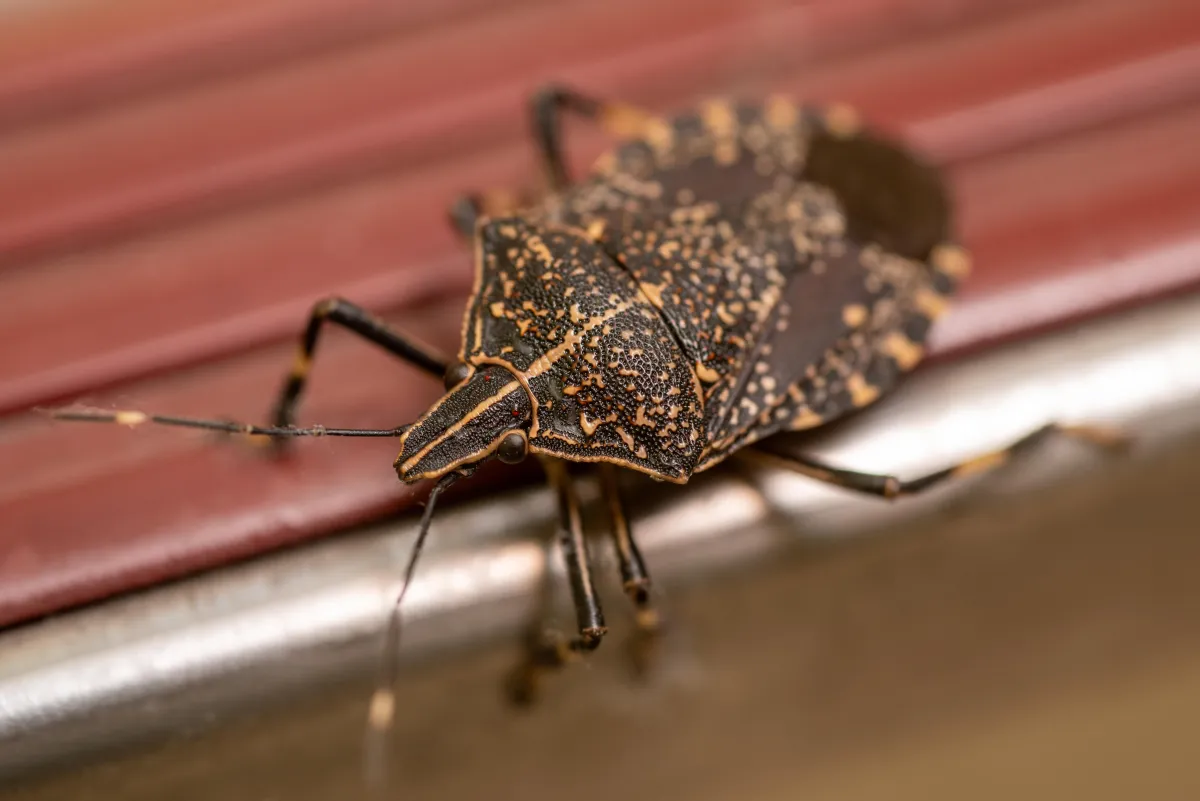

Understanding Stink Bugs
What Are Stink Bugs?
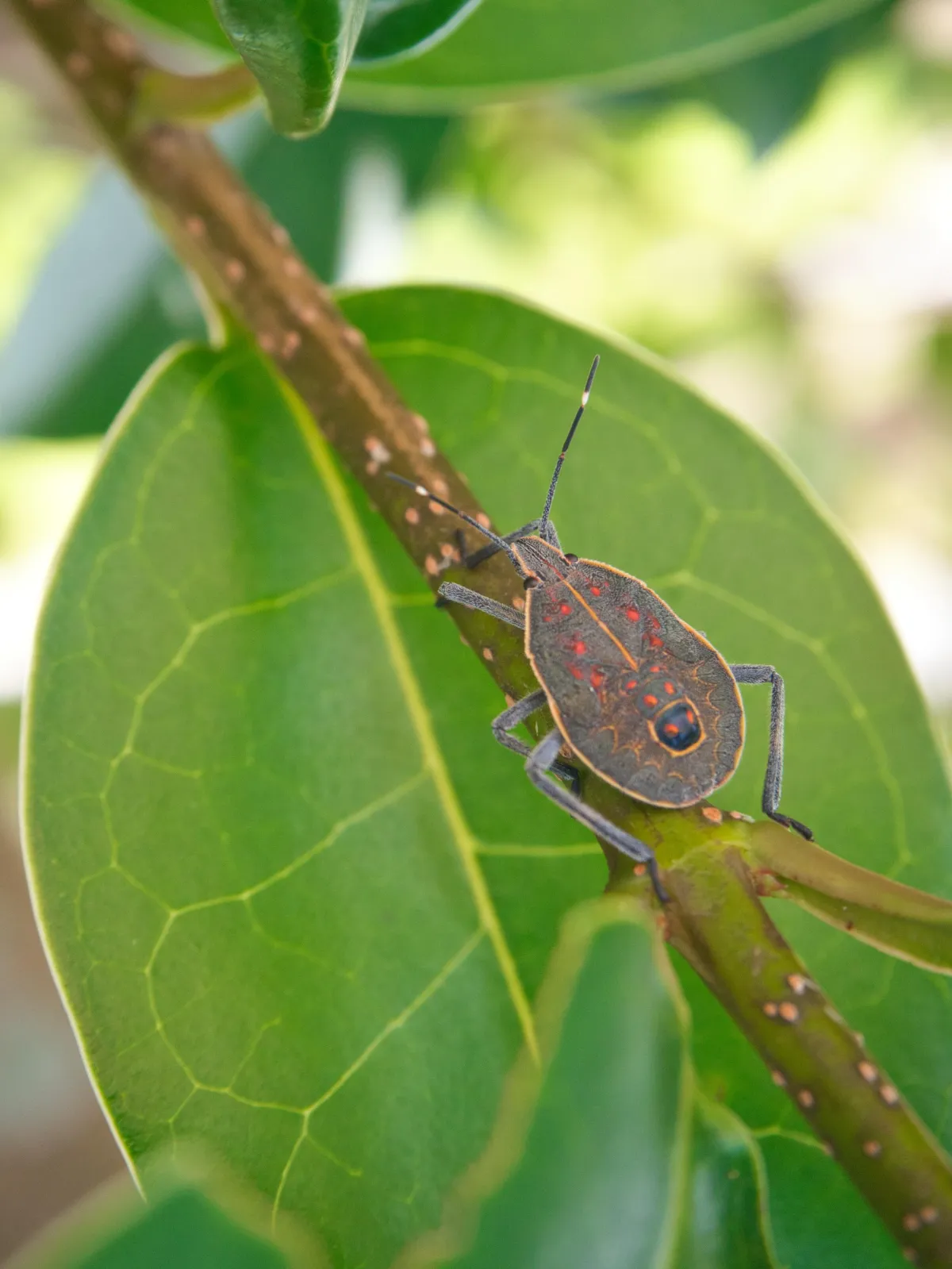
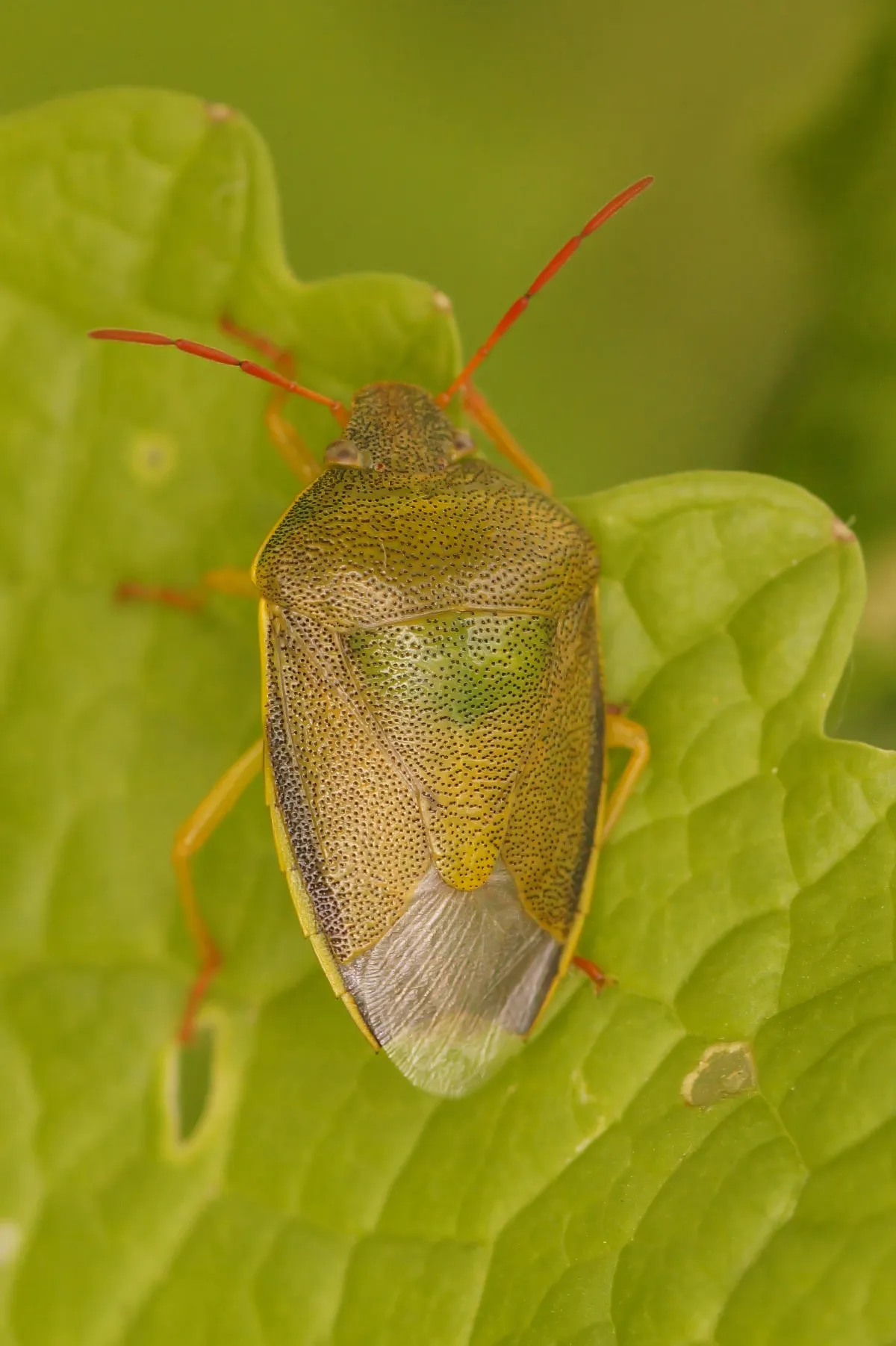
Stink bugs are shield-shaped insects belonging to the Pentatomidae family. The most common invasive species in the United States is the brown marmorated stink bug, which was accidentally introduced from Asia in the late 1990s and has since spread throughout much of the country. These distinctive insects are known for their characteristic odor and seasonal invasion patterns, particularly as they seek shelter indoors during colder months.
Stink Bug Characteristics Appearance:
Appearance: Shield-shaped body with distinctive six legs and segmented antennae
Size: Typically 3/4 inch long when fully grown
Defense Mechanism: Release foul-smelling liquid when disturbed or crushed
Behavior: Seek shelter indoors during colder months; become active in spring
Diet: Feed on plants, fruits, and vegetables by piercing and sucking out juices

Common Household Stink Bug Species
Several factors can make your home attractive to stink bugs:


Brown Marmorated
Size: Approximately 3/4 inch long
Color: Mottled brown with alternating light and dark bands on antennae and abdomen
Behavior: Invades homes in large numbers during fall, seeking winter shelter
Concern: Releases foul odor when disturbed, creates nuisance infestations
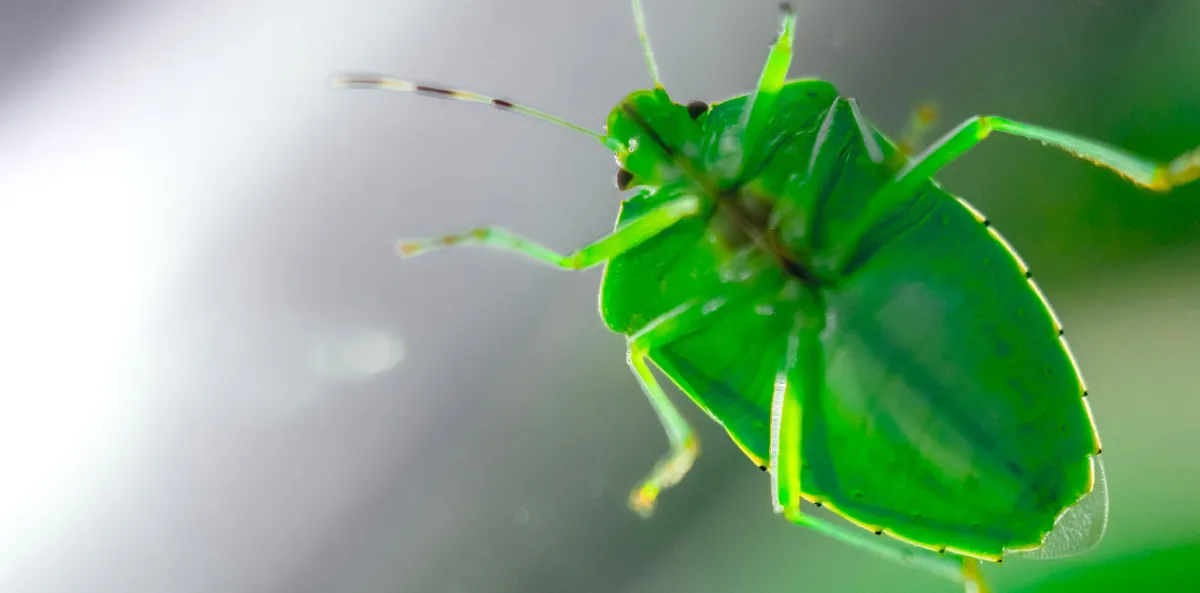

Green Stink
Size: 1/2 to 3/4 inch long
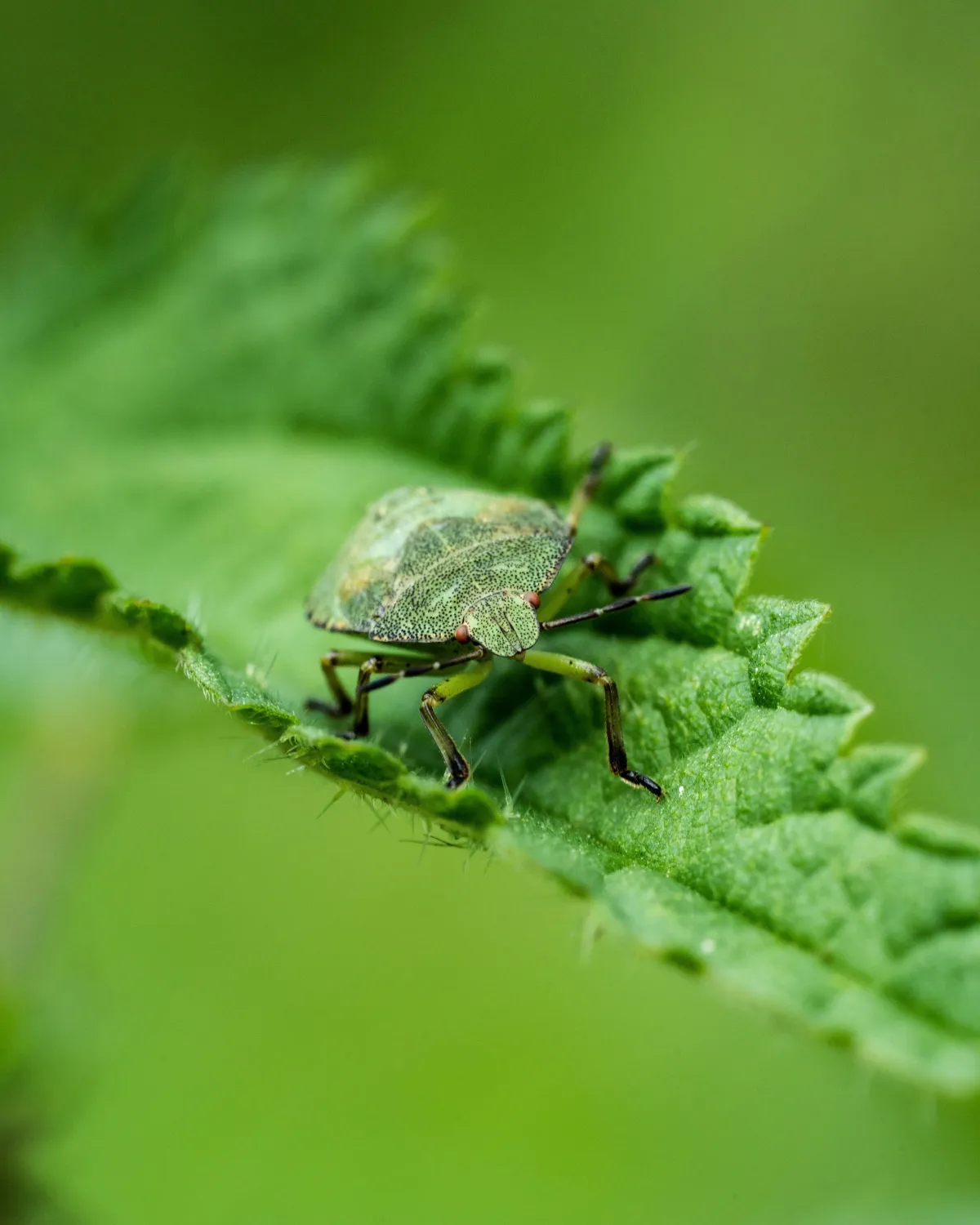
Color: Bright green with red, black, or yellow borders
Behavior: Agricultural pest that occasionally enters homes
Concern: Damages garden plants and releases odor when threatened
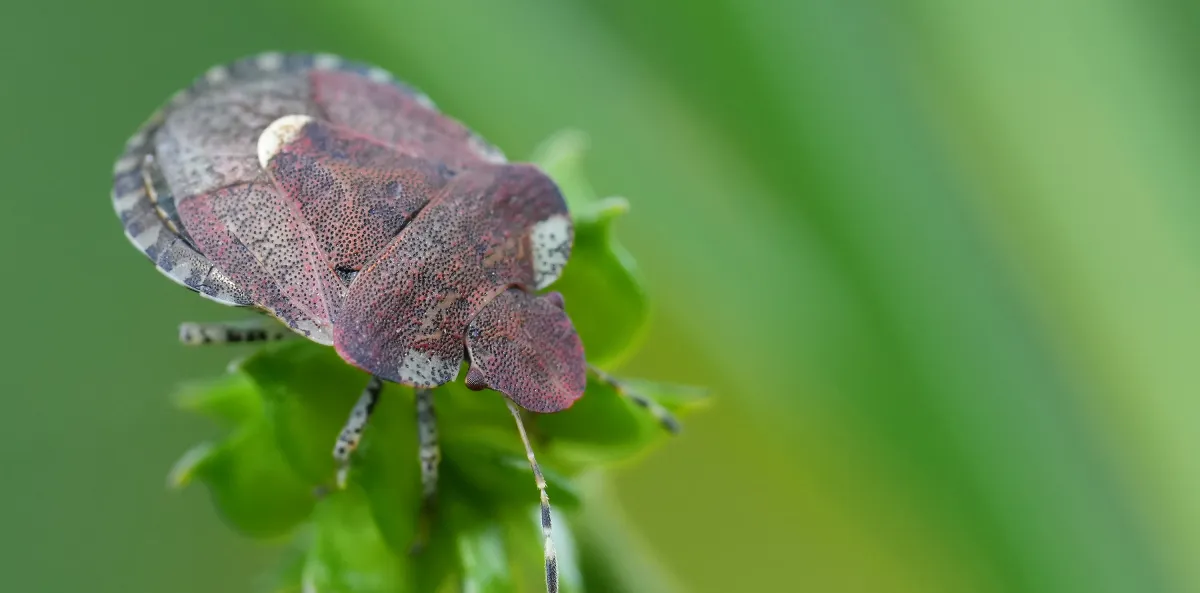

Southern Green
Size: About 1/2 inch long
Color: Uniform green with red or black markings on some individuals
Behavior: Agricultural pest most common in southern regions
Concern: Significant damage to garden plants and crops; unpleasant odor

Signs of a Stink Bug Infestation
You may have a stink bug problem if you notice:
Live Sightings:
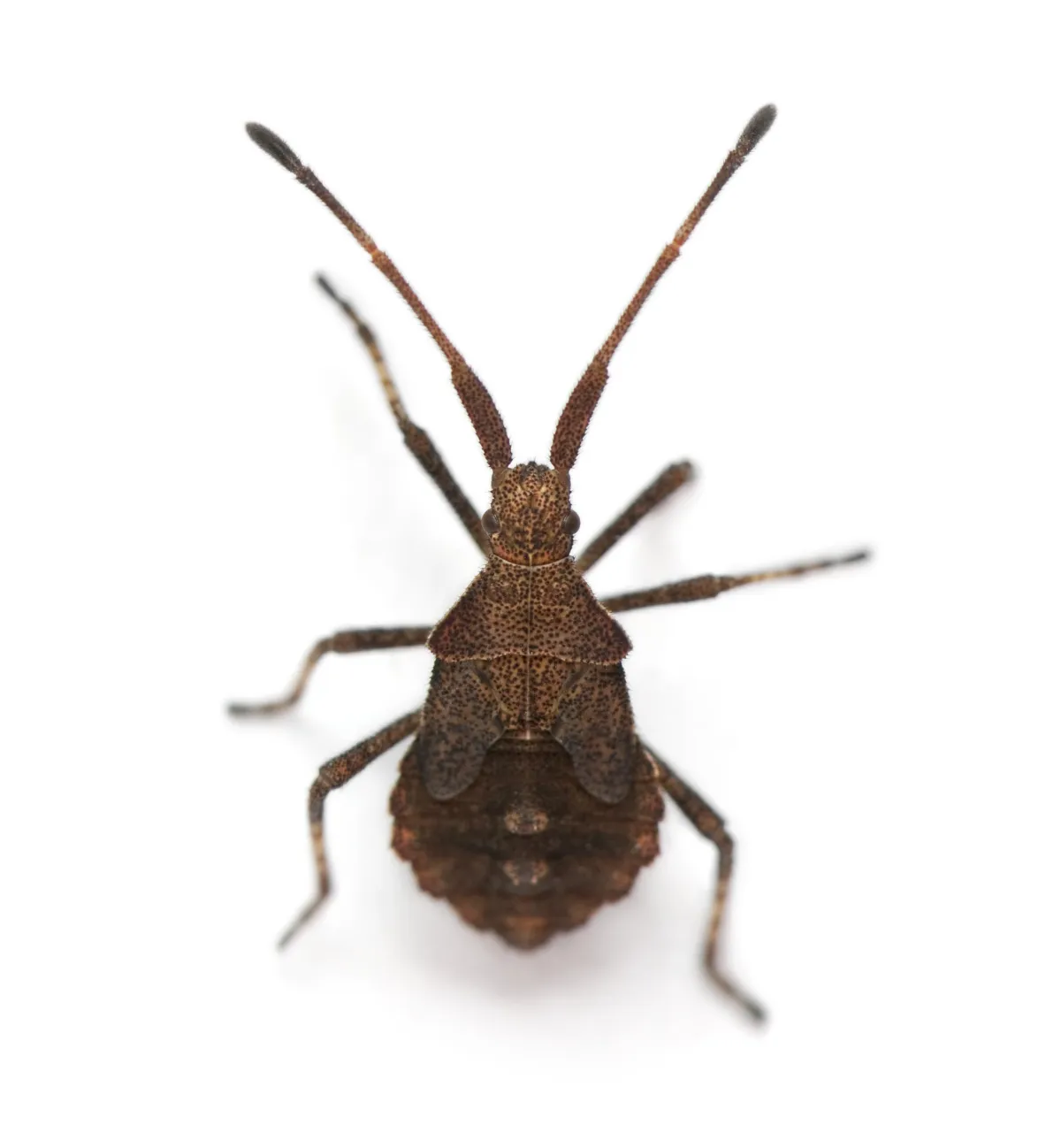
Adult stink bugs visible on walls, windows, or light fixtures
Seasonal Patterns:
Increased activity in fall (entering) or spring (exiting)
Entry Areas:
Congregations near windows, doors, or other entry points
Plant Damage:
Discolored or deformed fruits and vegetables in your garden
Unpleasant Smell:
Distinctive odor when bugs are disturbed or crushed
Hidden Indications
Attic Activity:
Stink bugs gathering in attics and upper areas of homes
Wall Voids:
Bugs hidden inside walls, especially on sunny sides of buildings
Window Frames:
Activity between window frames and in window tracks
Light Attraction:
Increased activity around light fixtures, especially in evenings
The Risks of Stink Bug Infestations
Stink bugs can cause several problems in your home:
Unpleasant Odors:
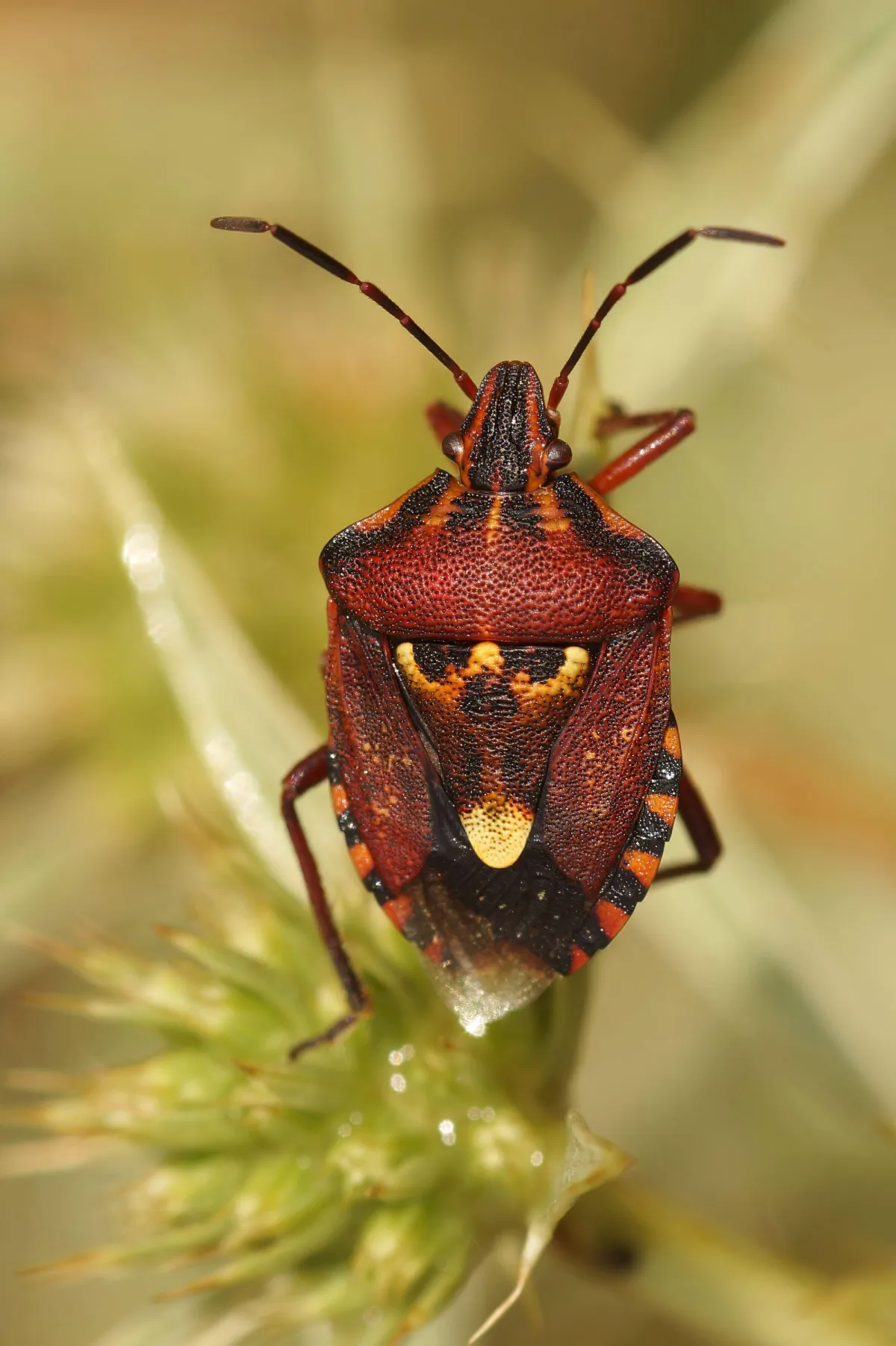
Release foul-smelling defensive chemicals when threatened or crushed
Mass Invasions:
Can enter homes in large numbers, particularly in fall
Garden Destruction:
Feed on fruits, vegetables, and ornamental plants
Overwintering:
Hide in wall voids, attics, and other sheltered areas during winter
Spring Activity:
Become active indoors when temperatures warm, attempting to exit buildings

Our Comprehensive Stink Bug Control Approach
We take a multi-faceted approach to stink bug control:

Thorough Inspection
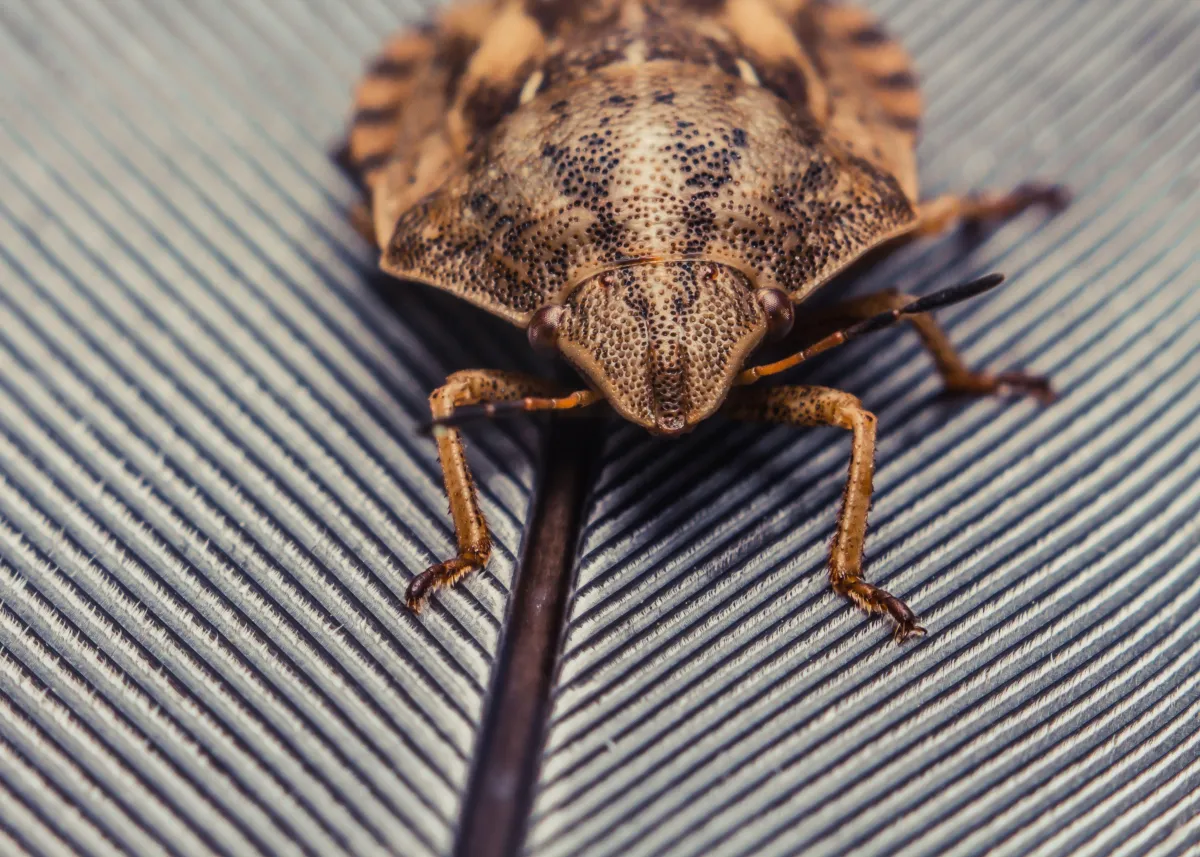
Our technicians will conduct a detailed inspection to: Identify stink bug species and extent of infestation
Locate entry points and harborage areas
Determine conducive conditions that may be attracting stink bugs
Assess seasonal risks based on your property's characteristics
Customized Treatment Plan
Based on our findings, we'll develop a tailored stink bug control strategy that may include:
Targeted Treatments
Applications to exterior surfaces where stink bugs congregate
Crack and crevice applications at common entry points
Limited interior treatments in problem areas
Preventative Applications
Seasonal treatments before invasion periods begin
Residual products that provide ongoing protection
Specialized formulations effective against stink bugs
Combination Approaches
Integrating multiple treatment methods for comprehensive control
Vacuum extraction for active indoor infestations
Monitoring programs to detect new activity

Prevention Strategies
We'll help prevent future stink bug problems by: Identifying and sealing entry points 1/8 inch or larger
Recommending screening repairs for vents and windows
Suggesting lighting modifications to reduce attraction
Advising on landscape management to minimize harborage
Follow-Up Protection
Our commitment to stink bug control includes: Scheduled follow-up visits during peak stink bug seasons
Ongoing monitoring for new activity
Additional treatments as needed
Continuous protection against seasonal invasions

Stink Bug Prevention Tips
To help keep stink bugs away from your home:
Exterior Maintenance
Seal entry points: Caulk cracks around windows, doors, siding, and foundation
Repair screens: Ensure all window, door, and vent screens are intact
Reduce lighting: Minimize exterior lighting or switch to less attractive yellow bulbs
Manage vegetation: Keep plants trimmed away from the building
Interior Management
Vacuum sightings: Use a vacuum to collect stink bugs (dispose of bag promptly)
Don't crush: Avoid squashing stink bugs, which releases their odor
Check firewood: Inspect wood before bringing it indoors
Reduce humidity: Maintain proper ventilation and humidity levels
Landscape Practices
Maintain plant-free zone: Keep a 3-foot plant-free area around your foundation
Remove harborage: Clear leaf litter, woodpiles, and debris near the home
Harvest promptly: Collect garden vegetables and fruits as they ripen
Manage compost: Keep compost bins away from the house

The Risks of Stink Bug Infestations
Stink bugs can cause several problems in your home:

Indoor Nuisance Unpleasant Odors: Release foul-smelling defensive chemicals when threatened or crushed
Mass Invasions: Can enter homes in large numbers, particularly in fall
Overwintering: Hide in wall voids, attics, and other sheltered areas during winter
Property Issues
Outdoor Damage Garden Destruction: Feed on fruits, vegetables, and ornamental plants
Plant Damage: Pierce plant tissues to feed, causing dimpling, scarring, and discoloration
Agricultural Impact: Significant crop damage to orchards and farms
Our Stink Bug Control Guarantee
We stand behind our services with our satisfaction guarantee. If stink bugs return between scheduled treatments, so will we—at no additional cost to you
Frequently Asked Questions
Get answers to common questions about stink bugs
Do stink bugs bite?
No, stink bugs do not bite humans or pets. They lack the mouthparts necessary to bite skin, as their mouth structure is designed for piercing plant tissues and sucking out juices. Rather than biting when threatened, stink bugs rely on their primary defense mechanism—releasing a foul-smelling liquid from special glands. While they may land on people incidentally, they pose no biting threat and are generally considered a nuisance pest rather than a health hazard.
How long does the stink bug smell last?
The unpleasant odor released by stink bugs typically lingers for 30 minutes to several hours, depending on the ventilation in the area. In enclosed spaces with poor air circulation, the smell may persist longer. The odorous compounds are volatile chemicals that gradually dissipate into the air. To accelerate the process, increase ventilation by opening windows or using fans. Cleaning affected surfaces with soap and water can help remove residual chemicals. The intensity of the odor depends on how many bugs were disturbed and whether they were crushed, which releases more defensive chemicals.
What attracts stink bugs?
Stink bugs are attracted to your home by several factors: warmth (particularly in fall, they seek warm surfaces and sheltered areas to overwinter), light (exterior lights and even interior lighting visible through windows), food sources (gardens, fruit trees, and ornamental plants around your property), shelter (cracks, crevices, and protected areas to hide), chemical signals (once some stink bugs find a good overwintering spot, they release pheromones that attract others), sunny exposures (south and west-facing walls that receive afternoon sun), and previous infestations (areas where stink bugs have successfully overwintered before may retain attractive residual pheromones). Addressing these attractants is key to reducing stink bug problems around your home.
How do exterminators get rid of stink bugs?
Professional exterminators use several strategies to eliminate stink bugs: applying residual insecticides to the outside of homes, focusing on entry points and areas where stink bugs congregate; identifying and sealing cracks, gaps, and openings that allow stink bugs to enter; using vacuum extraction, light traps, or limited interior treatments for active indoor infestations; scheduling treatments before seasonal invasions begin; setting up ongoing surveillance to detect new activity; using formulations specifically effective against stink bugs; and integrating multiple treatment methods for comprehensive control.
Are stink bugs harmful to pets?
Stink bugs are not significantly harmful to pets, though some precautions are warranted. If a pet consumes stink bugs, they may experience temporary irritation in the mouth or digestive tract, mild vomiting or drooling due to the unpleasant taste and odor, or potential digestive upset if multiple bugs are consumed. The defensive chemicals stink bugs release are not toxic but can cause discomfort. Most pets will avoid stink bugs after an initial encounter due to their bitter taste and odor.
Ready for Stink Bug-Free Living?
Don't let stink bugs invade your home and disrupt your comfort. Our professional stink bug control services provide effective, lasting solutions to eliminate these odorous pests.
Or call us directly
(866) 555-7890
We guarantee your satisfaction—if stink bugs return between scheduled treatments, so will we at no additional cost.


© Copyright 2026. [Snapshot] -[Lead Machine: Pest Control]. All Rights Reserved.