
Professional Moth Control Services
Professional Solutions for Moth Infestations
While moths may seem like minor nuisances, these persistent pests can cause significant damage to your clothing, stored food, and other valuable items in your home. Whether you're dealing with pantry moths contaminating your food or clothing moths damaging your wardrobe, our professional moth control services provide effective solutions to eliminate these destructive pests and prevent future infestations.

Understanding Moths
What Are Moths?
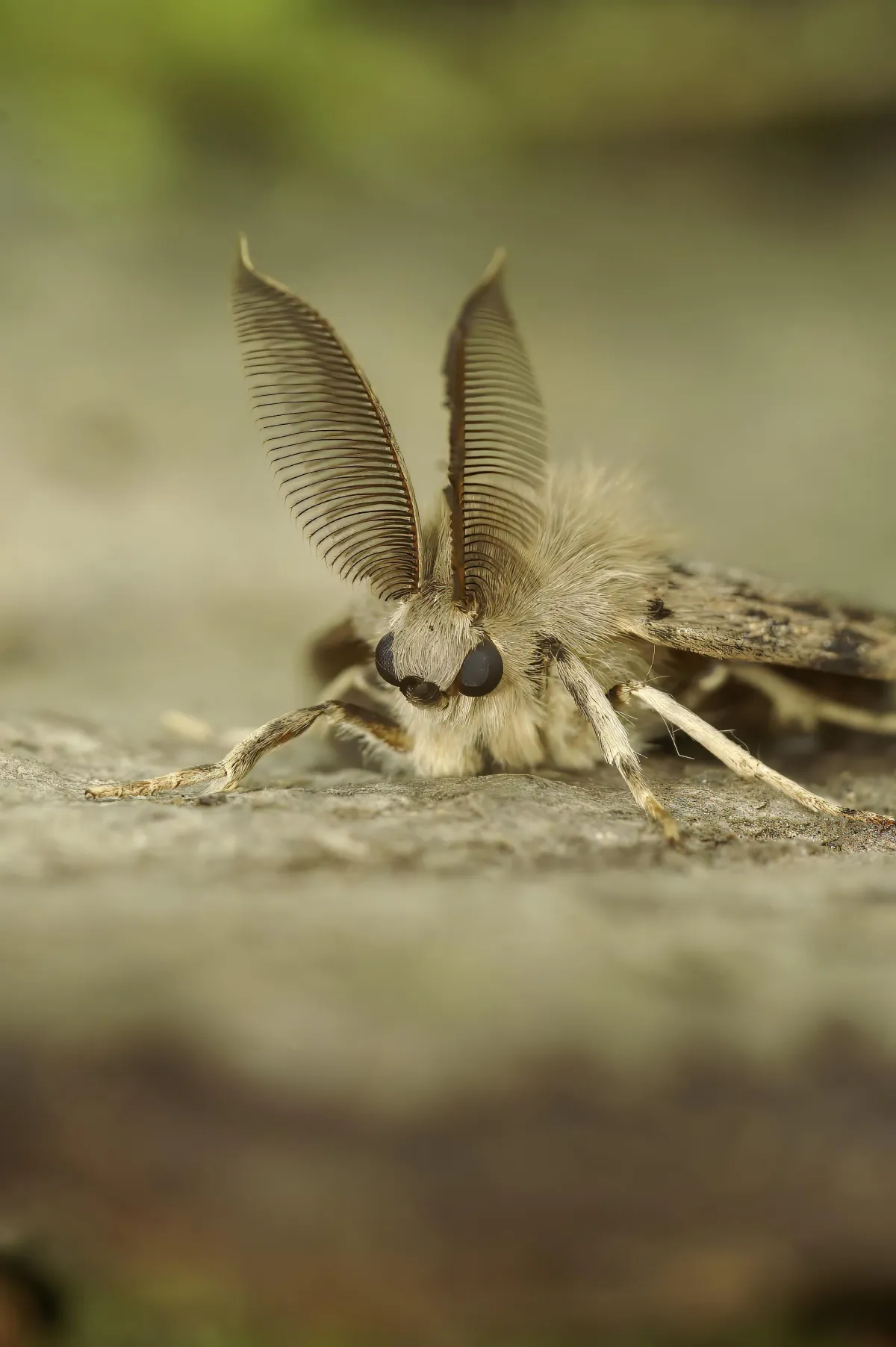
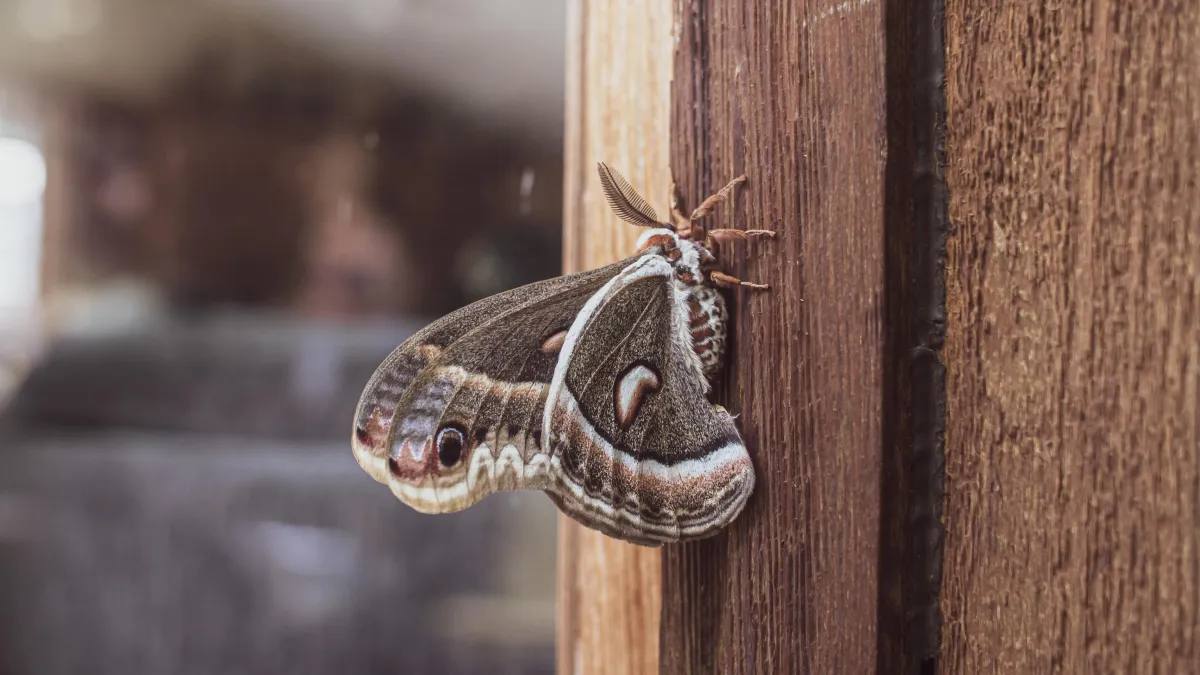
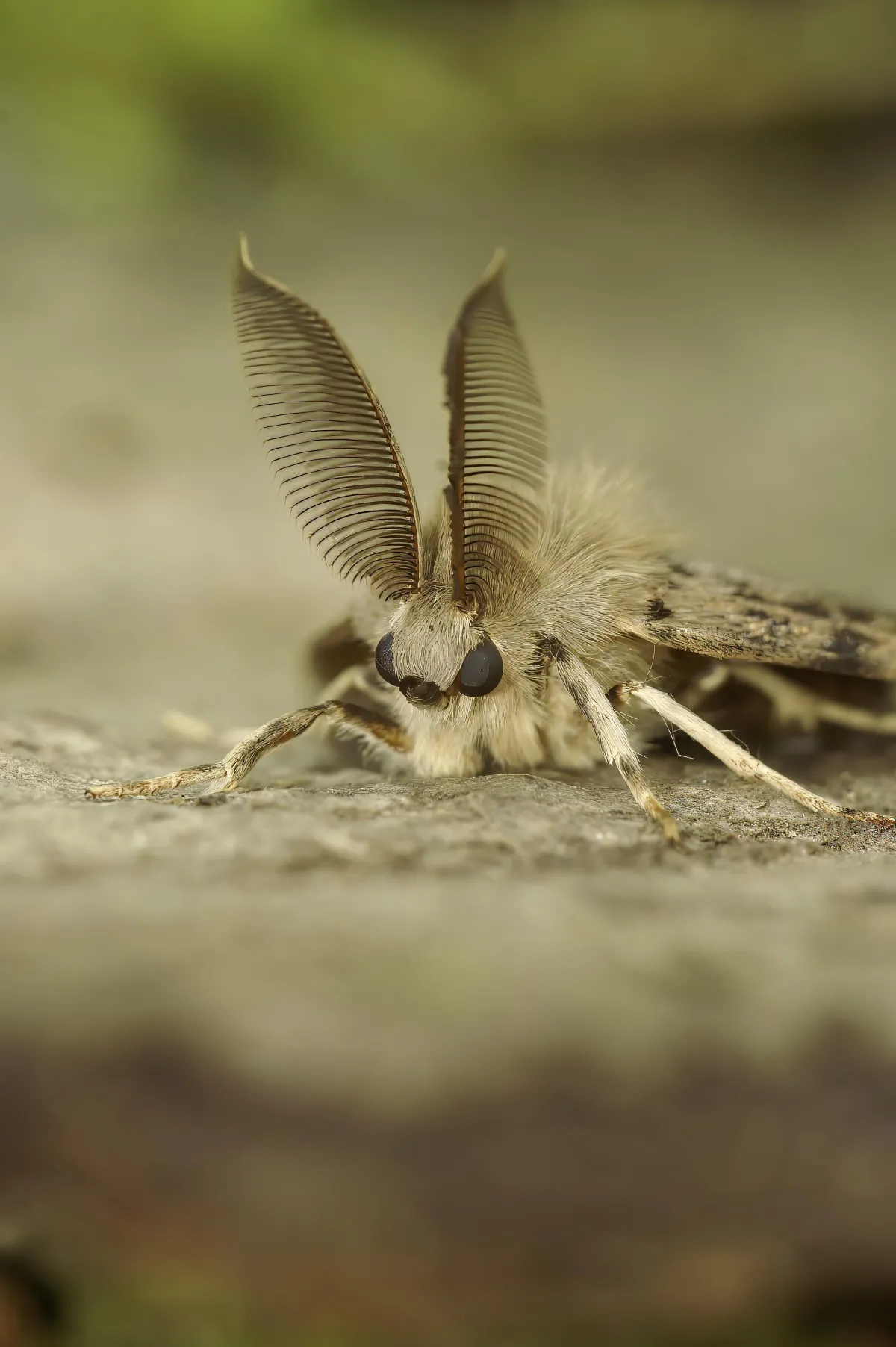
Moths belong to the order Lepidoptera, the same group as butterflies, with approximately 160,000 species worldwide. While most outdoor moths are harmless or even beneficial as pollinators, certain indoor species can become destructive household pests. These indoor moths have adapted to living in human environments, where they find abundant food sources for their larvae—either in our food pantries or closets containing natural fiber clothing.
Flea Characteristics
Appearance: Soft-bodied insects with two pairs of wings covered in tiny scales
Size: Range from tiny (1/4 inch wingspan) to over 2 inches depending on species
Life Cycle: Three main body parts (head, thorax, abdomen) with six legs and antennae
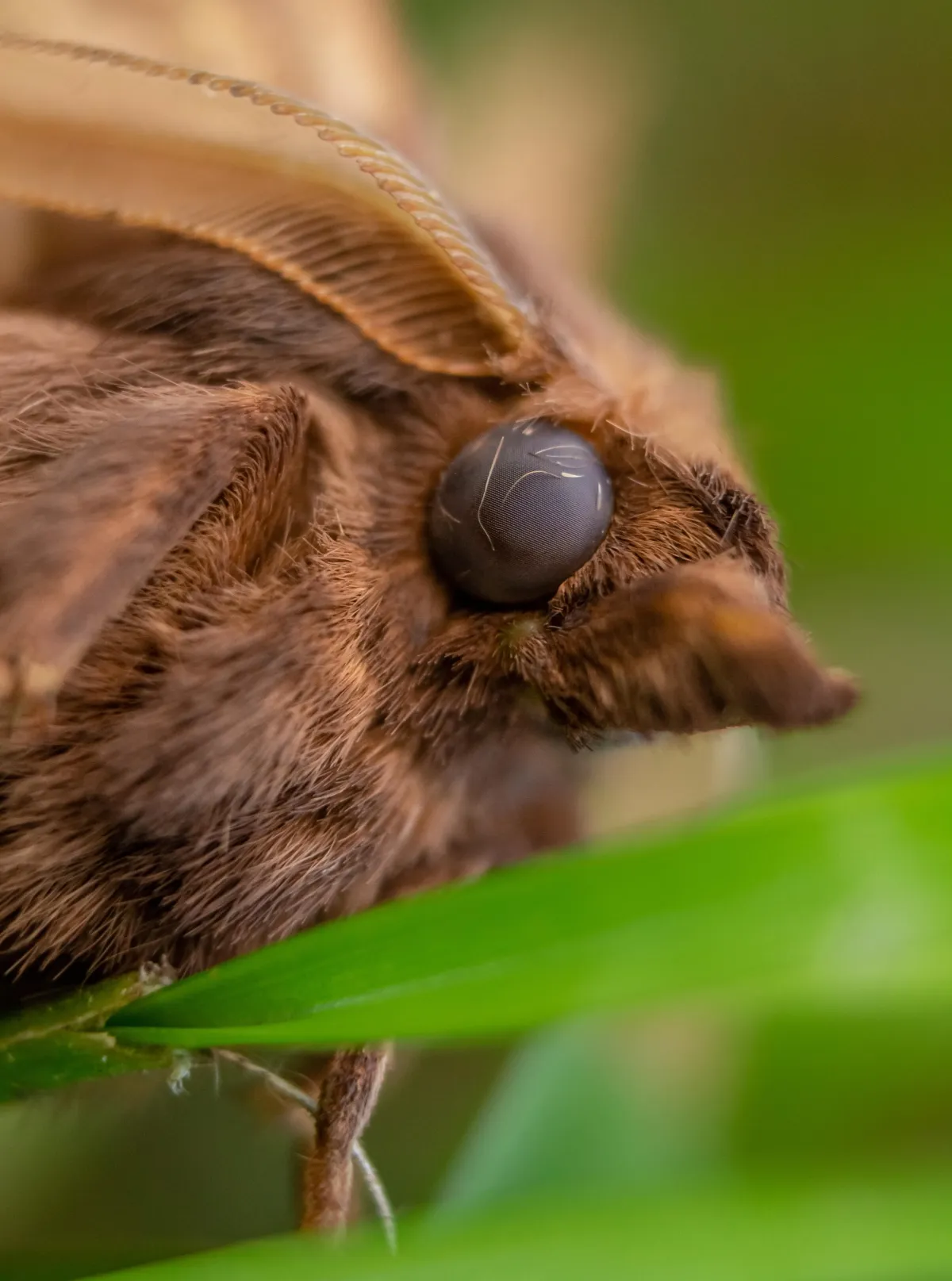
Lifespan: Complete metamorphosis with four stages: egg, larva, pupa, and adult
Diet: Adults generally don't feed; larvae consume natural fibers or stored food products

Common Household Moth Species
Several factors can make your home attractive to moths:
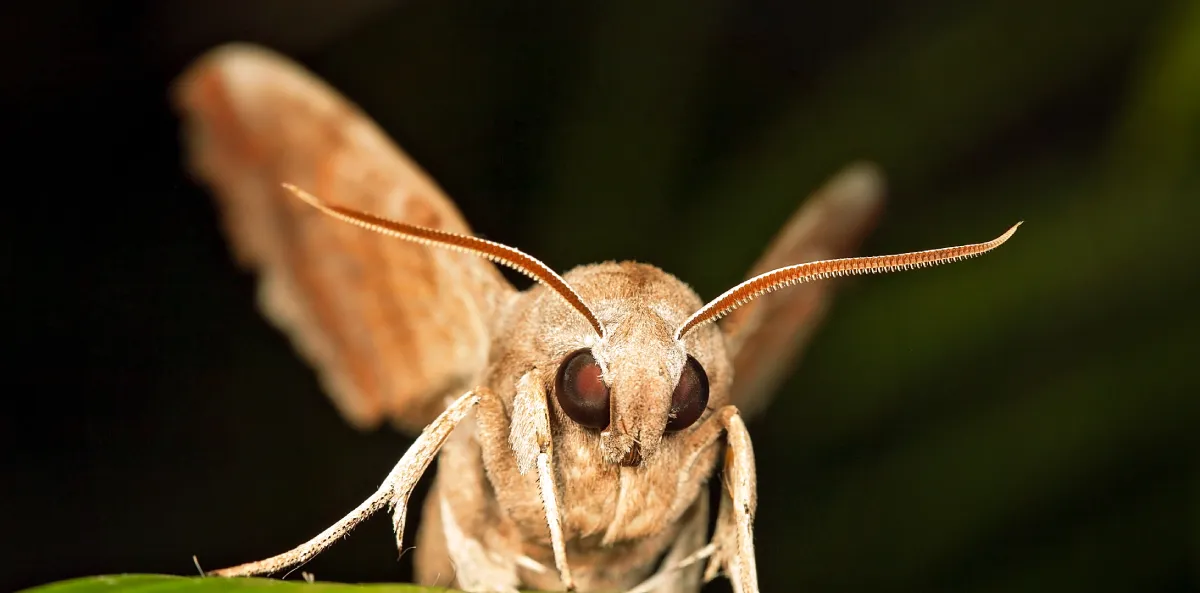

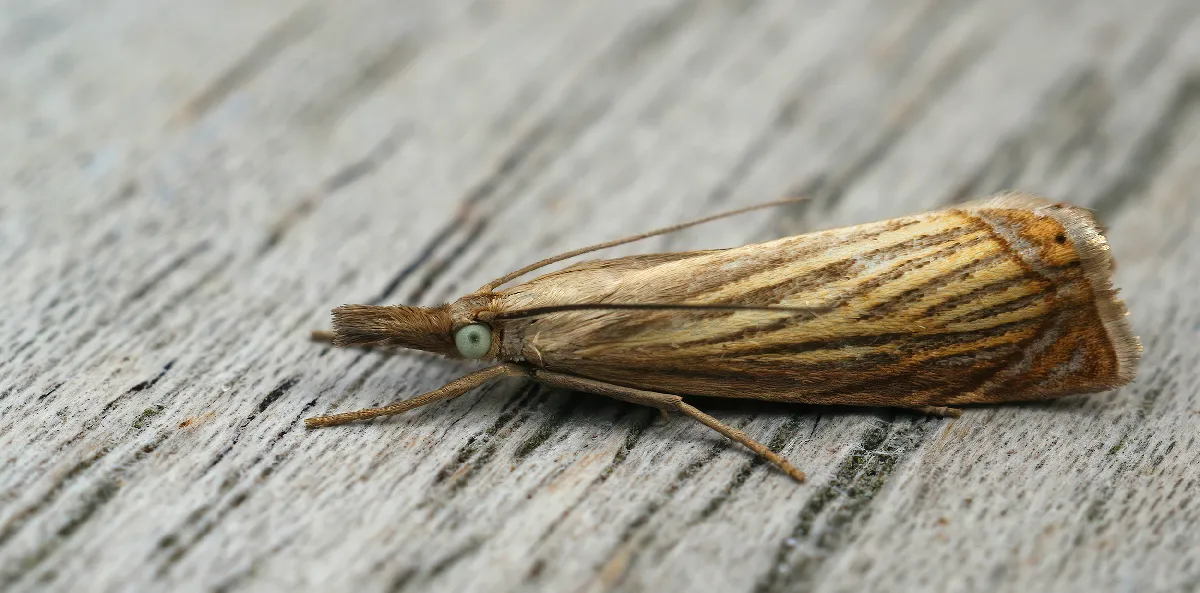
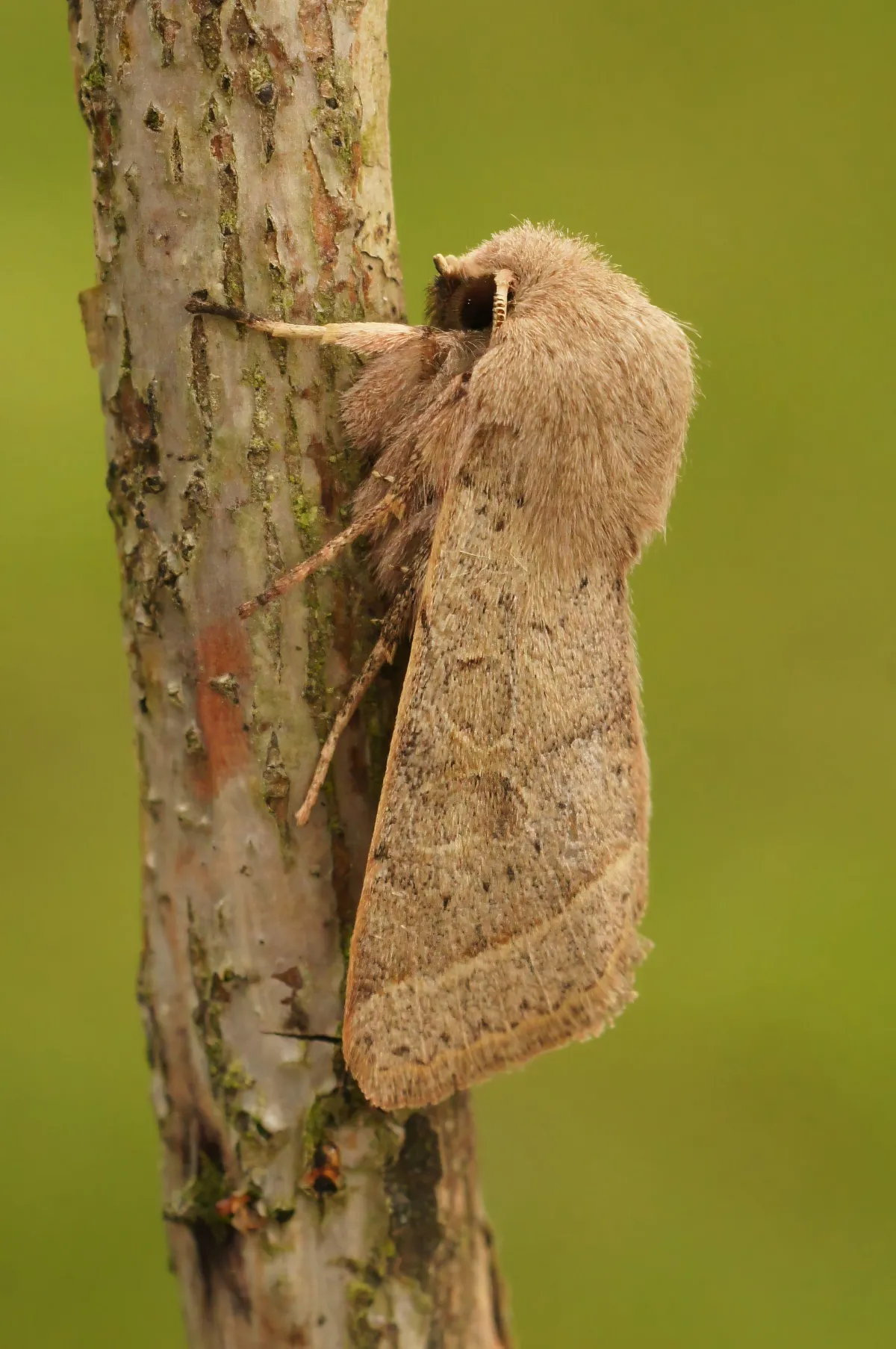
Clothing Moths
Size: Small (1/2 inch wingspan)
Color: Uniformly beige or buff-colored
Behavior: Rarely seen flying, prefer dark areas
Concern: Larvae feed on natural fibers (wool, silk, fur, feathers)
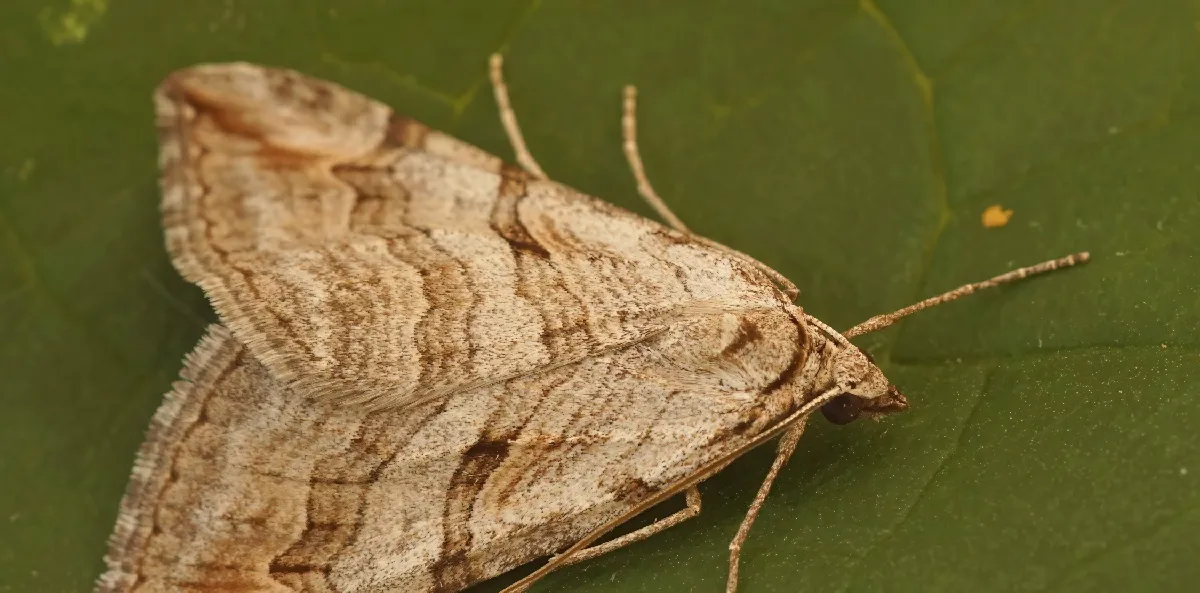

Pantry Moths (Indian Meal Moths)
Size: Small to medium (5/8 inch wingspan)
Color: Distinctive two-tone wings: front half cream-colored, rear half reddish-brown
Behavior: Often seen flying in kitchen and pantry areas
Concern: Contaminate stored food products with webbing, droppings, and cocoons

Mediterranean Meal Moths
Size: Medium (3/4 inch wingspan)
Color: Gray with dark markings
Behavior: Similar to Indian meal moths
Concern: Infest grains and dried foods

Signs of a Moth Infestation
You may have a moth problem if you notice:
Adult Moths:
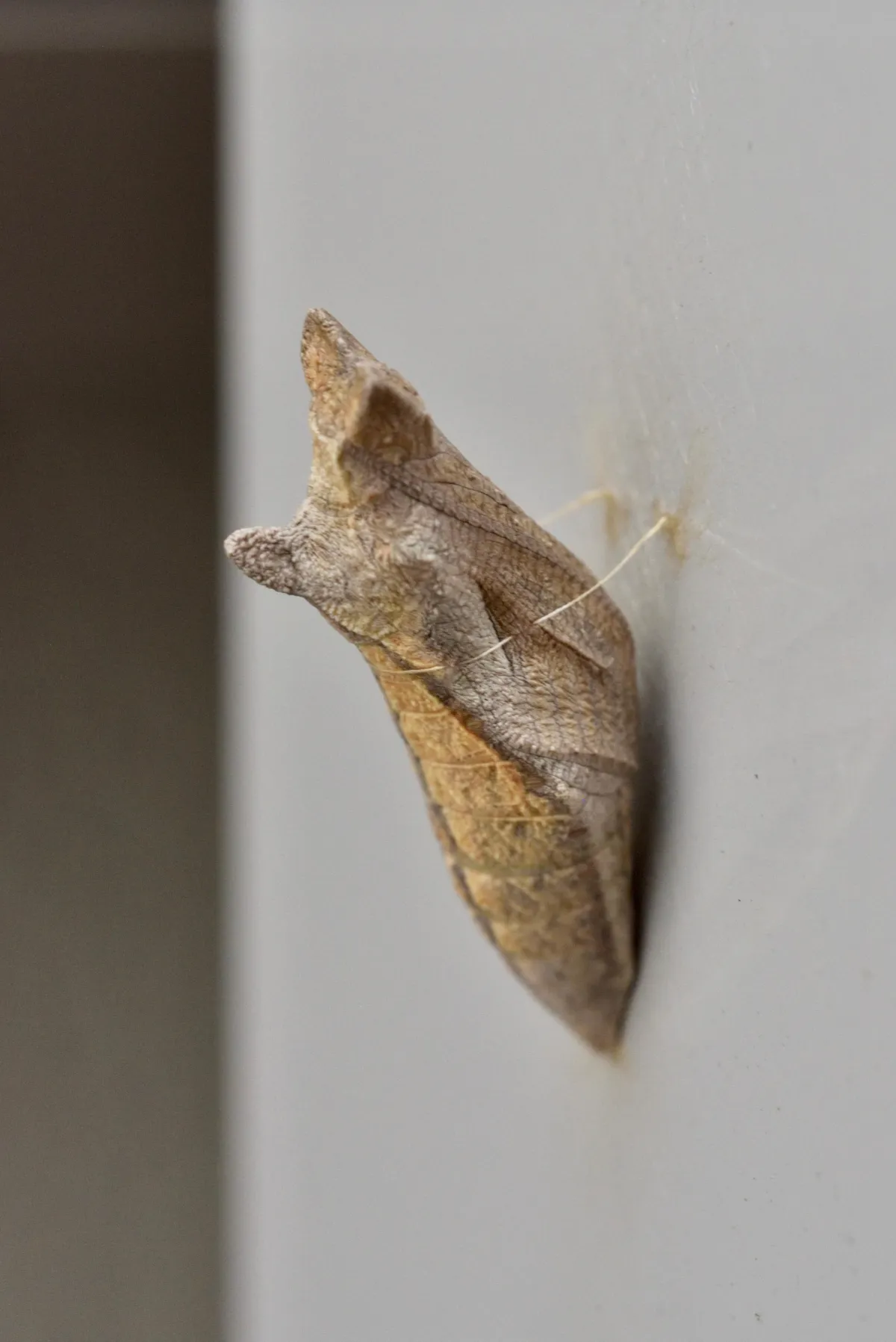
Small moths flying in kitchen or crawling near clothing
Webbing:
Silk-like webbing in food packages or on clothing surfaces
Larvae:
Small whitish caterpillars in food products or on fabrics
Damaged Items:
Irregular holes in fabrics or compromised food packaging
Shed Skins:
Thin, papery remnants from molting larvae in closets or pantries
Hidden Indications
Clumped Food:
Dried goods sticking together due to webbing
Musty Odor:
Distinctive smell in closets or storage areas
Cocoon Cases:
Small cases attached to fabrics or in corners of storage areas
Unusual Fabric Dust:
Fine powder near damaged clothing items
The Risks of Moth Infestations
Moths can cause several problems in your home:
Fabric Damage:
Clothing moth larvae create holes in natural fiber clothing and textiles
Food Contamination:
Pantry moth larvae infest and contaminate stored foods
Spreading Infestation:
Can quickly spread to multiple food items or clothing pieces
Valuable Item Loss:
Damage to heirlooms, expensive clothing, or specialty food items
Recurring Problems:
Without proper treatment, moths can persist for long periods

Our Comprehensive Moth Control Approach
We take a multi-faceted approach to moth control:
Thorough Inspection
Our technicians will conduct a detailed inspection to: Identify the specific moth species present
Locate infested items and breeding areas
Determine the extent of the infestation
Identify contributing factors that may be enabling the infestation
Customized Treatment Plan
Based on our findings, we'll develop a tailored moth control strategy that may include:
For Clothing Moths
Targeted treatments for affected closets and storage areas
Appropriate insecticides for cracks and crevices where moths hide
Pheromone traps to monitor and capture adult moths
For Pantry Moths
Specialized treatments for kitchen and pantry areas
Guidance on properly disposing of infested food items
Residual treatments to prevent reinfestation
For Both Types
Identification of all infested areas requiring treatment
Recommendations for cleaning and preparation before treatment
Follow-up monitoring to ensure complete elimination
Prevention Strategies
We'll help prevent future moth problems by: Recommending proper storage solutions for susceptible items
Suggesting cleaning practices that discourage moth activity
Advising on temperature treatments for valuable items
Providing guidance on moisture control and ventilation
Follow-Up Protection
Our commitment to moth control includes: Scheduled follow-up visits to ensure complete elimination
Ongoing monitoring for signs of reinfestation
Additional treatments as needed
Continuous protection against future moth problems

Moth Prevention Tips
To help keep moths away from your home:
Clothing Moth Prevention
clean before storing: Wash or dry clean items before long-term storage
Use cedar: Cedar blocks or oil can help deter moths
Vacuum regularly: Clean closets, carpets, and upholstery frequently
Proper storage: Use airtight containers or garment bags for seasonal storage
Pantry Moth Prevention
Inspect groceries: Check food items before bringing them home
Store properly: Use airtight glass or plastic containers for susceptible foods
Clean regularly: Vacuum and wipe pantry shelves to remove spills and crumbs
Rotate stock: Use older products first and avoid long-term storage
General Prevention
Monitor regularly: Check vulnerable areas frequently for early signs
Control humidity: Maintain proper ventilation in storage areas
Freezing treatment: Place susceptible items in freezer for 3-4 days
Natural repellents: Consider lavender, rosemary, or other natural deterrents

The Risks of Moth Infestations
Moths can cause several problems in your home:

Property Damage
Clothing Damage: Larvae create holes in wool, silk, cashmere, and other natural fibers
Food Loss: Pantry moths contaminate and spoil stored food products
Furniture Damage: Can infest upholstery and carpets containing natural fibers
Financial Impact
Replacement Costs: Expensive clothing or specialty food items may need replacement
Treatment Expenses: Severe infestations may require professional intervention
Sentimental Loss: Damage to irreplaceable heirlooms or keepsakes
Our Moth Control Guarantee
We stand behind our services with our satisfaction guarantee. If moths return between scheduled treatments, so will we—at no additional cost to you
Frequently Asked Questions
Get answers to common questions about moths
Are moths dangerous?
While moths themselves aren't dangerous to humans (they don't bite, sting, or transmit diseases), they can cause significant property damage. Clothing moths can destroy valuable garments, upholstery, and carpeting made from natural fibers. Pantry moths contaminate food products, making them unsuitable for consumption and potentially causing financial loss. Though not a direct health threat, some people may experience allergic reactions to moth scales or droppings.
Why do moths eat clothing?
Moths don't actually eat clothing—their larvae do. Clothing moth larvae specifically feed on keratin, a protein found in natural animal fibers like wool, silk, fur, feathers, and leather. They're particularly attracted to items soiled with food stains, sweat, or body oils, which provide additional nutrients. The larvae need these proteins to develop properly, which is why they don't typically damage synthetic fabrics like polyester or nylon unless they're blended with natural fibers.
How do moths get into my house?
Moths enter homes through various pathways: flying in through open doors and windows; being carried in on infested items (secondhand clothing, furniture, or food products); entering through small cracks and gaps in the building's exterior; or coming in attached to plants, firewood, or other outdoor items. Once inside, they seek out favorable conditions: dark, undisturbed areas with suitable food sources. Pantry moths often enter in infested food packages, while clothing moths might come in on used clothing or furniture.
What is the lifecycle of a moth?
Moths have a four-stage lifecycle: egg (female moths lay 30-300 eggs on or near food sources); larva (the hatched caterpillar-like larvae do all the feeding and damage); pupa (after feeding, larvae spin cocoons and transform); and adult (emerging adults mate and lay eggs to restart the cycle). The entire lifecycle can take 1-4 months depending on species and conditions. Adults typically live only 1-2 weeks and don't feed at all—their sole purpose is reproduction.
What kills moths besides mothballs?
Several effective moth control alternatives include: cedar products (cedar oil and wood repel moths but won't kill existing infestations); heat treatment (washing/drying on hot cycles or dry cleaning kills all life stages); freezing (placing items in a freezer at 0°F for 72+ hours kills eggs and larvae); pheromone traps (capture adult males to disrupt breeding cycles); diatomaceous earth (a natural powder that damages insect exoskeletons); essential oils (lavender, mint, and clove oils can repel moths); and professional treatments (targeted insecticides applied by pest control experts). These alternatives are often preferred over mothballs, which contain chemicals that can be harmful to humans and pets.
Ready for Moth-Free Living?
Don't let moths damage your valuable clothing or contaminate your food. Our professional moth control services provide effective, lasting solutions to eliminate these destructive pests. 100% Satisfaction Guarantee Licensed & Insured Technicians Same-Day Service Available
Or call us directly
(866) 555-7890
We guarantee your satisfaction—if moths return between scheduled treatments, so will we at no additional cost.


© Copyright 2026. [Snapshot] -[Lead Machine: Pest Control]. All Rights Reserved.