
Professional Mite Control Services
Professional Mite Control Services
With thousands of species worldwide, mites are tiny arachnids that can infest homes and cause various problems for people and pets. While most mites are microscopic and invisible to the naked eye, their presence can lead to skin irritation, allergic reactions, and property damage. Our professional mite control services provide targeted solutions to eliminate these microscopic pests from your home and prevent future infestations.
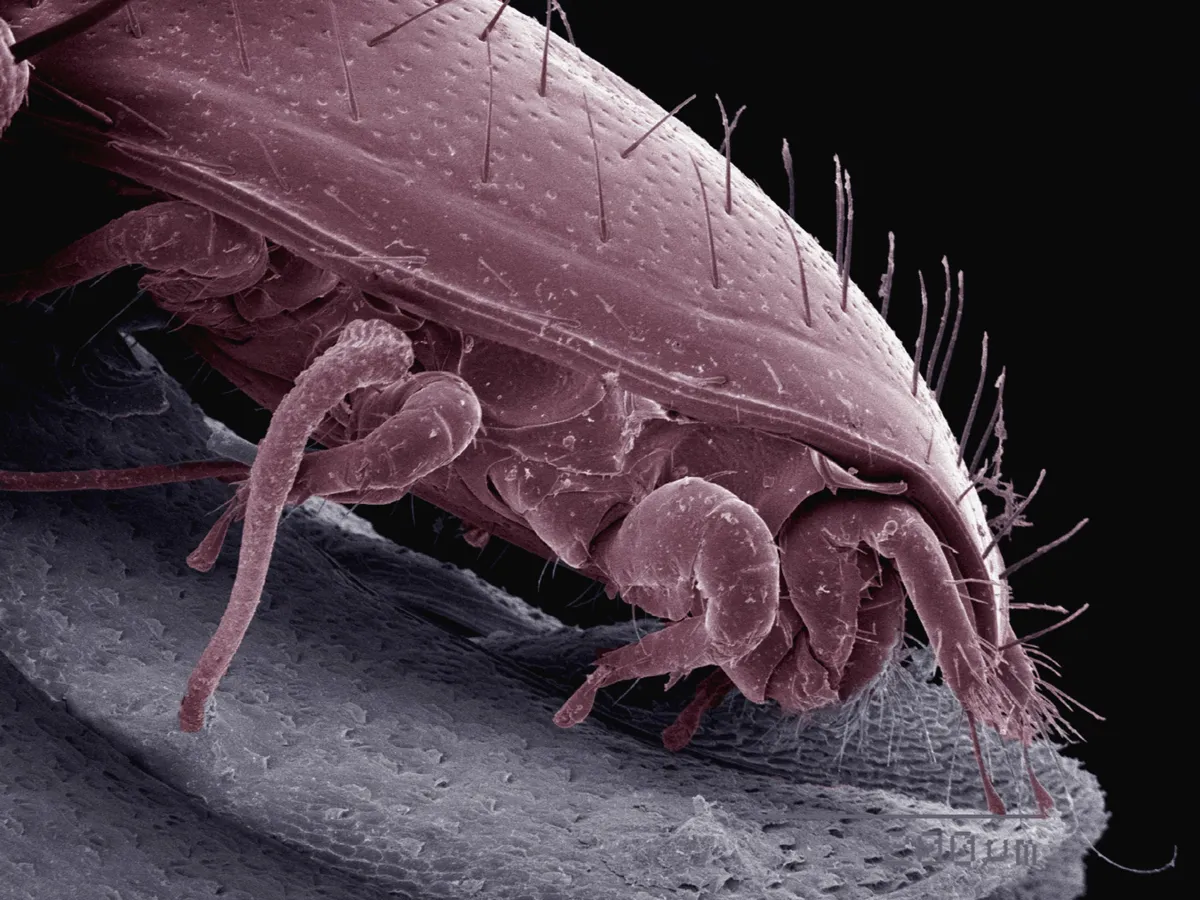

Understanding Mites What Are Mites?
What Are Fleas?
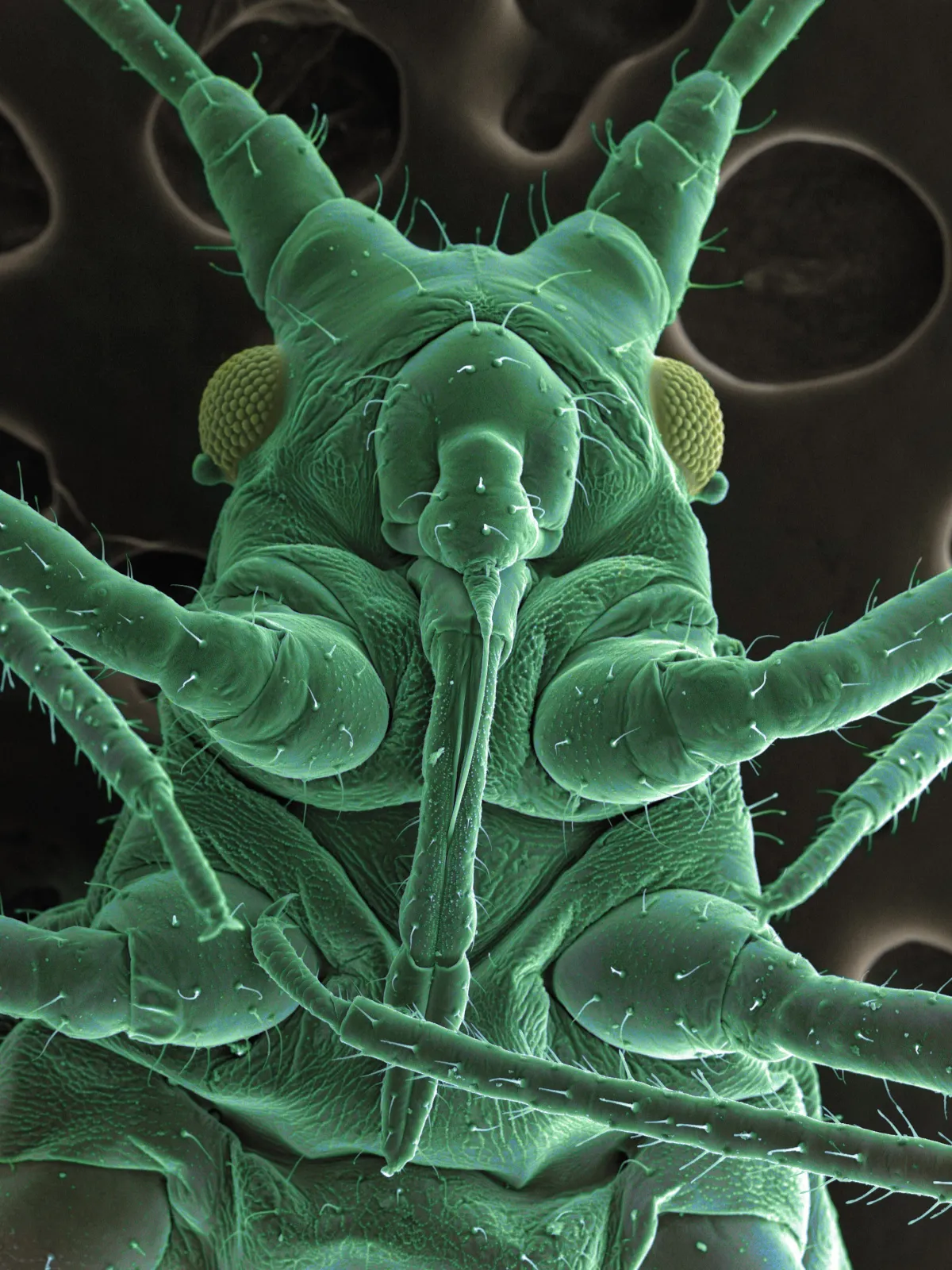
Mites are tiny arthropods related to ticks and spiders, belonging to the class Arachnida. Most mites are microscopic, measuring less than 1mm in length, making them nearly invisible without magnification. Despite their small size, these persistent pests can cause significant discomfort and health issues. Different species of mites have different feeding habits and habitat preferences, but many can infest homes, feeding on shed human skin cells, pet dander, stored products, or even living tissue.
Flea Characteristics
Appearance: Microscopic, eight-legged arthropods; most species not visible to the naked eye
Size: Typically less than 1mm in length, requiring magnification to see clearly
Body Structure: Two main body segments with eight legs (adults) and no antennae or wings
Lifespan: Complete life cycle from egg to adult in as little as 1-3 weeks depending on species
Diet: Varies by species—may feed on skin cells, plant material, fungi, or other organic matter

Common Household Mite Species
Several factors can make your home attractive to mites:
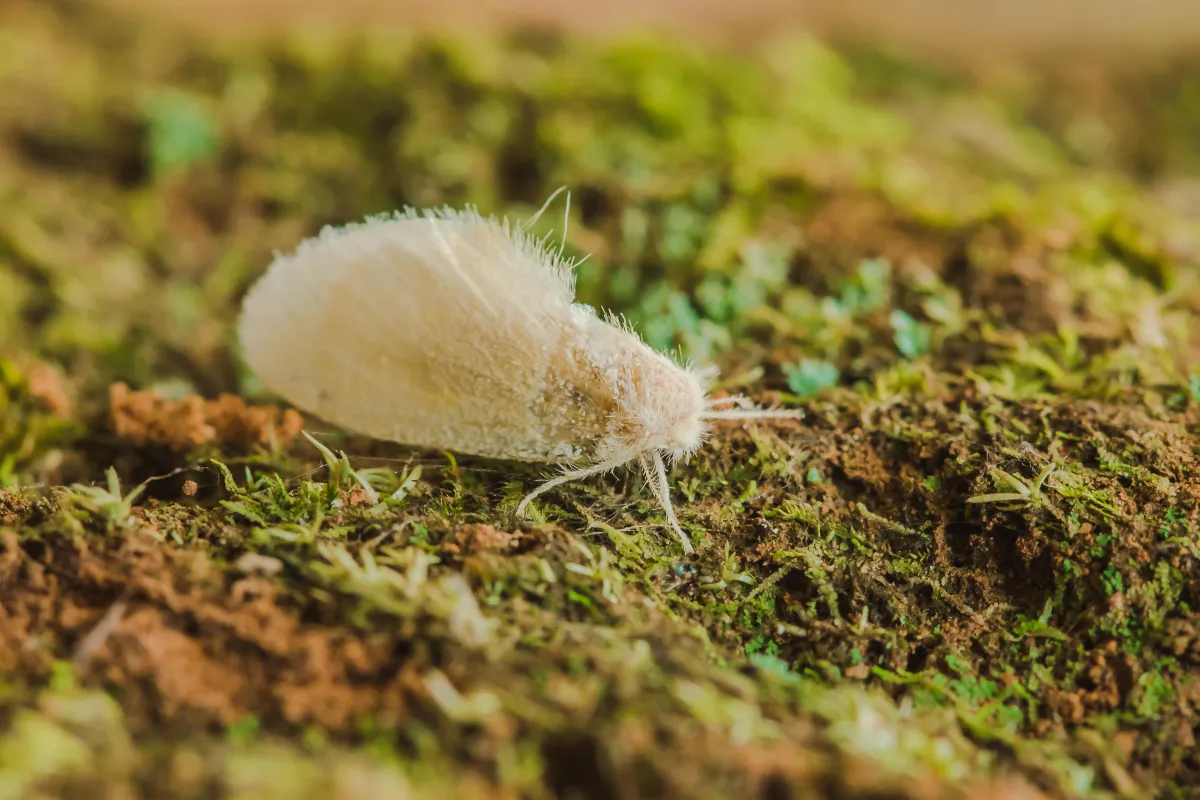

Dust Mites Size
Size: About 0.3mm in length
Color: Translucent white to cream colored
Behavior: Live in bedding, upholstered furniture, and carpets feeding on shed human skin cells
Concern: Major cause of indoor allergies and asthma attacks in sensitive individuals
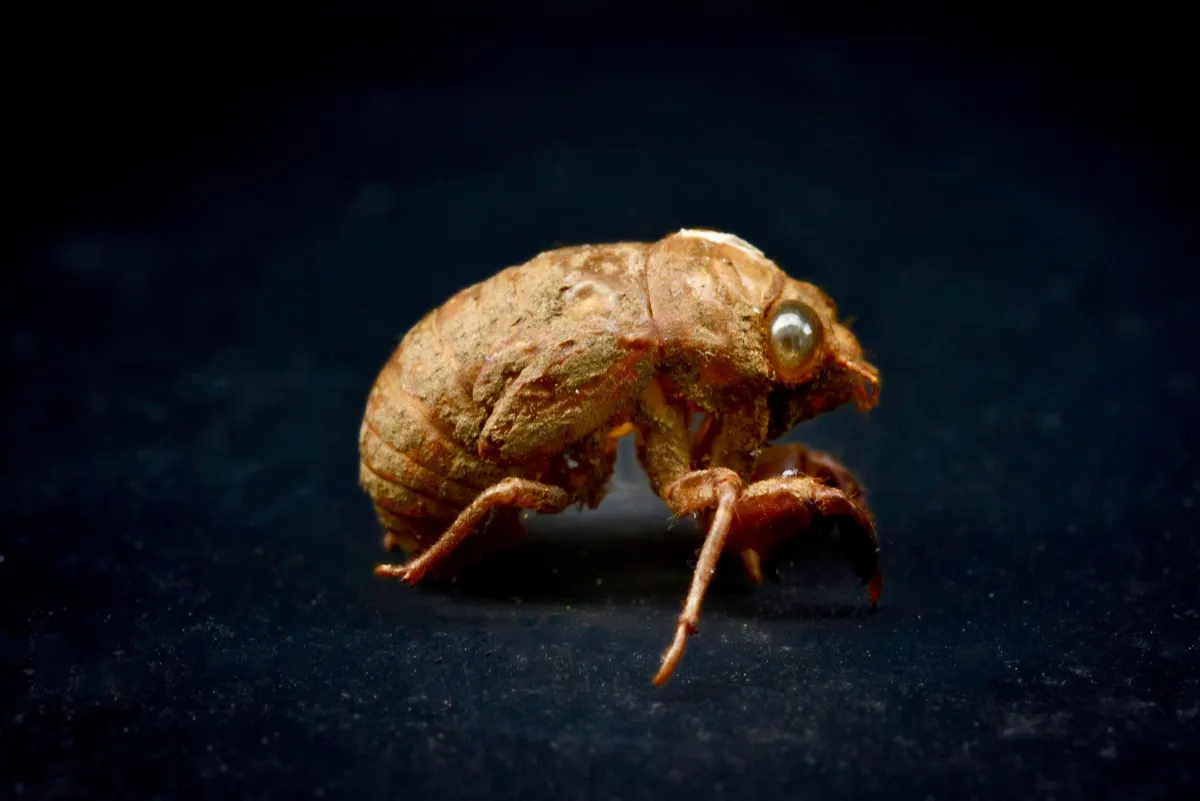

Scabies Mites
Size: Less than 0.4mm in length
Color: Nearly transparent
Behavior: Burrow into the skin creating tunnels where they lay eggs
Concern: Cause intense itching, rashes, and can spread quickly among household members
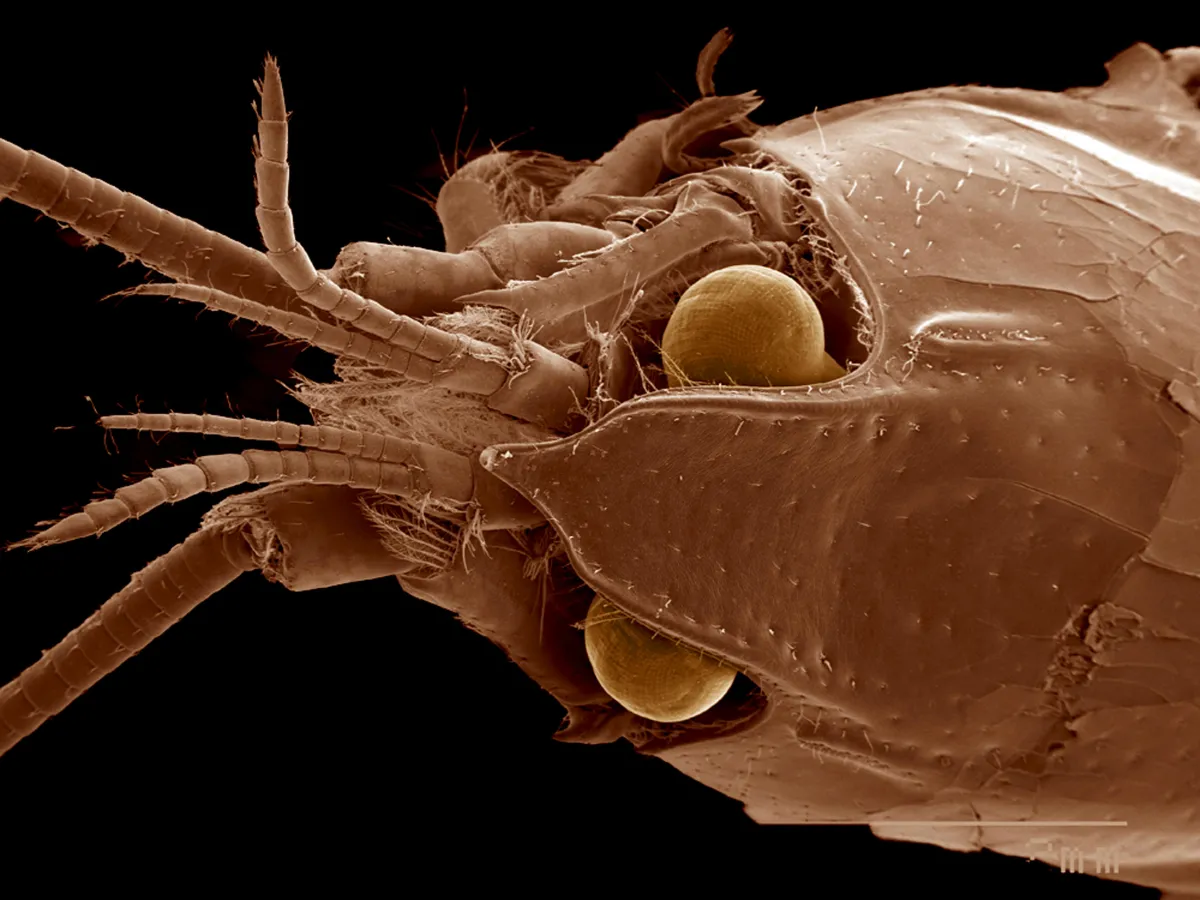

Clover Mites
Size: About 0.75mm in length
Color: Reddish-brown with distinctive long front legs
Behavior: Primarily outdoor pests that may invade homes in large numbers
Concern: Can leave red stains when crushed and indicate over-fertilized lawns

Signs of a Mite Infestation
You may have a mite problem if you notice:
Unexplained Skin Reactions:
Itching, redness, rashes, or small bumps on the skin
Respiratory Issues:
Increased asthma symptoms, coughing, or allergic reactions
Tiny Moving Specks:
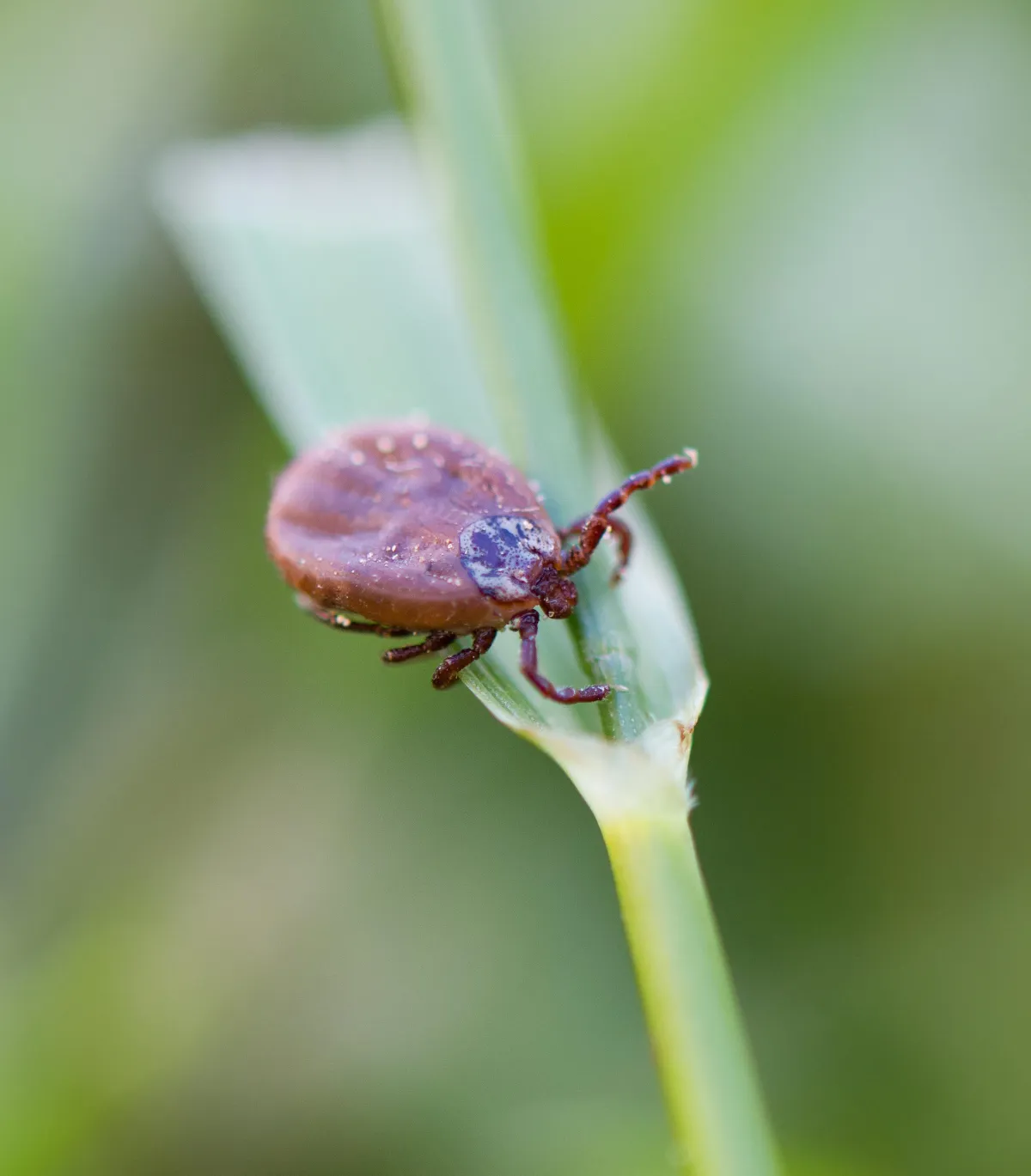
Very small reddish or brownish dots moving on surfaces (some larger species)
Dust Accumulation:
Excessive dust despite regular cleaning may indicate dust mite presence
Pet Discomfort:
Pets scratching excessively or showing signs of skin irritation
Hidden Indications
Mattress/Furniture Debris:
Fine powder-like substance on or around bedding or upholstered furniture
Indoor Plant Issues:
Speckling or bronzing of leaves on houseplants (spider mites)
Musty Odors:
Strong, musty smells from bedding or upholstered furniture
Increased Allergies at Night:
Worsening allergy symptoms when in bed or sleeping
The Risks of Mite Infestations
Mites can cause several problems in your home:
Skin Irritation:
Bites or burrowing can cause severe itching, rashes, and dermatitis
Allergic Reactions:
Dust mite allergens can trigger respiratory issues, especially in sensitive individuals
Scabies Infestations:
Contagious skin condition requiring medical treatment
Property Damage:
Some mites can damage stored products or indoor plants
Secondary Infections:
Scratching irritated skin can lead to bacterial infections

Our Comprehensive Mite Control Approach
We take a multi-faceted approach to mite control:
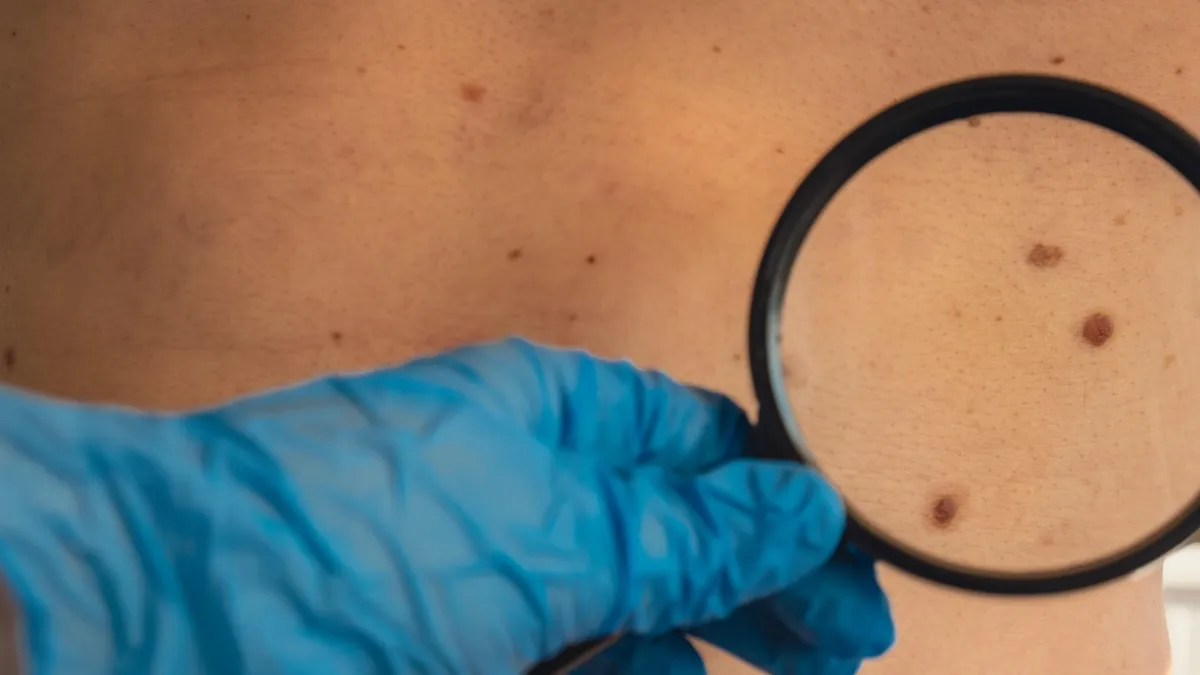
Thorough Inspection
Our technicians will conduct a detailed inspection to: Identify the specific mite species present
Locate high-concentration areas and contributing factors
Locate high-concentration areas and contributing factors
Determine the extent of the infestation
Identify environmental conditions that may be enabling the infestation
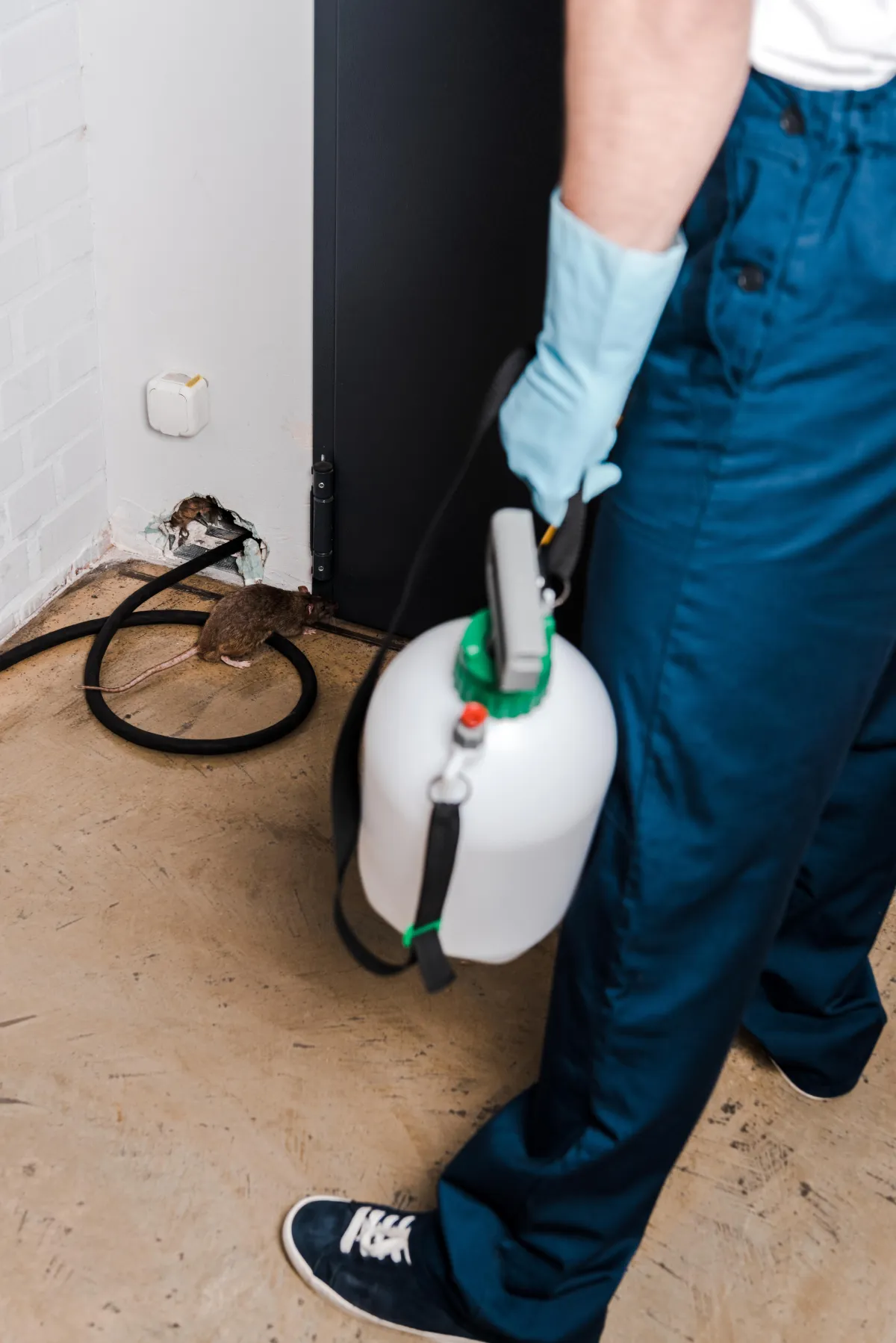
Customized Treatment Plan
Based on our findings, we'll develop a tailored mite control strategy that may include:
For Dust Mites
Specialized treatments for mattresses, bedding, and upholstered furniture
HEPA vacuum recommendations for removing allergen
Environmental modifications to reduce humidity levels
For Pet Areas
Treatment of kennels, doghouses, and pet bedding areas
Applications near home foundations where pets frequent
Recommendations for concurrent pet treatment with veterinarian-approved products
For Scabies Mites
Comprehensive treatment of living areas after medical intervention
Recommendations for laundering and isolating personal items
Guidance on preventing reinfestation after treatment

Prevention Strategies
We'll help prevent future mite problems by: Recommending humidity control solutions
Suggesting mattress and pillow encasements for dust mite prevention
Advising on regular cleaning routines to reduce mite populations
Identifying and addressing environmental factors that attract mites
Follow-Up Protection
Our commitment to mite control includes: Scheduled follow-up visits to ensure complete elimination
Monitoring for new activity
Additional treatments as needed
Continuous protection against future infestations

Mite Prevention Tips
To help keep mites away from your home:
Cleaning Practices
Vacuum carpets, furniture, and mattresses frequently with a HEPA filter vacuum
Wash bedding weekly in hot water (130°F minimum)
Use mattress and pillow encasements designed for dust mite prevention
Reduce clutter that collects dust and provides harborage
Environmental Control
Maintain indoor humidity below 50% using dehumidifiers if necessary
Install air purifiers with HEPA filtration in bedrooms
Replace wall-to-wall carpeting with hard flooring when possible
Minimize indoor plants that may harbor spider mites
Personal Protection
Avoid sharing personal items during a scabies outbreak
Regularly groom and treat pets with veterinarian-approved mite preventatives
Inspect and clean new furniture or used items before bringing them home
Shower immediately after outdoor activities where mites may be present

The Risks of Mite Infestations
Mites can cause several problems in your home:

Health Concerns
Allergic Reactions: Dust mite allergens can trigger asthma and allergies
Skin Conditions: Scabies mites can cause severe itching, rashes, and skin infections
Respiratory Issues: Prolonged exposure to dust mite allergens can worsen asthma
Quality of Life Issues
Sleep Disruption: Itching and irritation from mites often worsen at night
Discomfort: Constant itching and skin reactions can cause significant stress
Social Impact: Visible skin conditions may cause embarrassment or social withdrawal
Our Mite Control Guarantee
We stand behind our services with our satisfaction guarantee. If mites return between scheduled treatments, so will we—at no additional cost to you.
Frequently Asked Questions
Get answers to common questions about mites
What do mites look like?
Most mites are nearly microscopic, typically measuring less than 1mm in length, making them virtually invisible without magnification. When viewed under magnification, they have eight legs and appear somewhat spider-like with oval or round bodies. Different species vary in appearance: dust mites are translucent white to cream-colored; scabies mites are nearly transparent; and clover mites are reddish-brown with distinctive long front legs.
Where do dust mites come from?
Dust mites enter homes through normal air exchange, on clothing, or on pets. They thrive in environments with abundant food sources (primarily shed human skin cells), optimal temperature (68-77°F), and high humidity (70-80%). They establish populations in bedding, upholstered furniture, carpeting, and other fabric items where skin cells accumulate.
Where do mites come from?
Different mite species enter homes through various routes. Dust mites come through air exchange and on clothing. Scabies mites spread through direct skin contact with infected individuals. Bird and rodent mites enter when their hosts nest nearby. Clover mites migrate indoors from lawns, especially during seasonal changes. Stored product mites often arrive on infested food items.
What does a mite bite look like on a human?
Mite reactions vary by species. Scabies mites create tiny, raised burrow lines with intense itching that worsens at night; small red bumps often appear in clusters, commonly between fingers, on wrists, and along the waistline. Bird and rodent mites cause small, red, itchy spots similar to mosquito bites. Dust mites don't bite but cause allergic rashes in sensitive individuals.
How do exterminators get rid of mites?
Professional exterminators identify the specific mite species, then implement targeted treatments. For dust mites, this includes specialized HEPA vacuuming and anti-allergen sprays. For parasitic mites, treatments coordinate with medical care. For plant-feeding mites, they use appropriate miticides. The approach combines immediate treatment with long-term prevention strategies including humidity control and regular cleaning protocols.
Ready for Mite-Free Living?
Don't let microscopic mites cause major problems for your family's health and comfort. Our professional mite control services provide effective, lasting solutions to eliminate these tiny but troublesome pests.
Or call us directly
(866) 555-7890
We guarantee your satisfaction—if mites return between scheduled treatments, so will we at no additional cost.



© Copyright 2026. [Snapshot] -[Lead Machine: Pest Control]. All Rights Reserved.