
Professional Flea Control Services
Professional Flea Control Services
Fleas are tiny infamous pests that can make your home an itchy nightmare. While they typically attach themselves to pets, these small, wingless insects can quickly spread throughout your home, infesting furniture, carpets, and even biting humans. Our professional flea control services provide targeted solutions to eliminate these persistent parasites from your home and prevent future infestations.

Understanding Fleas
What Are Fleas?
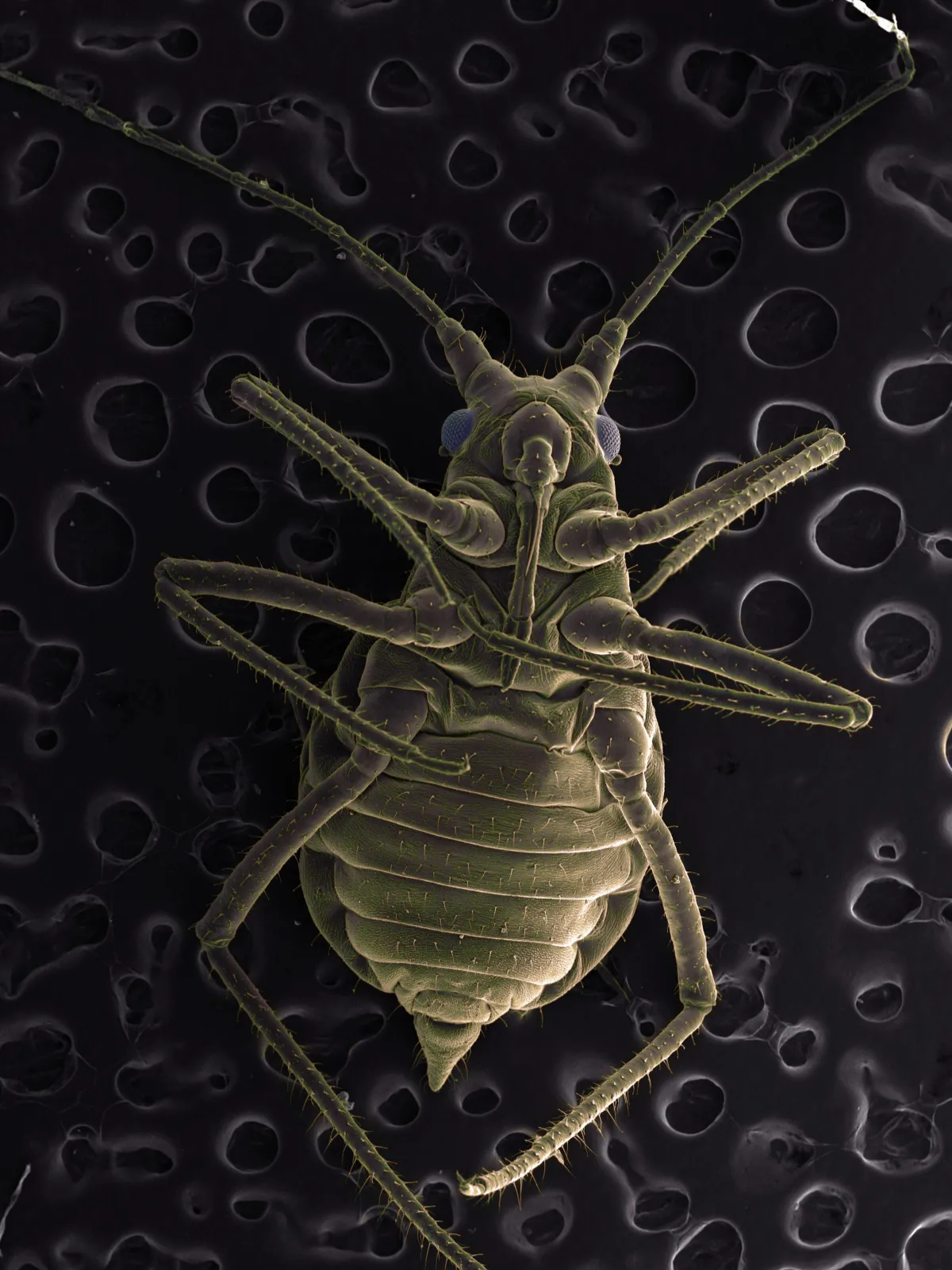
Fleas are small, wingless insects belonging to the order Siphonaptera. They are external parasites that survive by feeding on the blood of mammals and birds. Their bodies are flat, shiny, and reddish-brown, covered with microscopic hair, and compressed to allow for easy movement through animal fur. Despite their tiny size (1/16 to 1/8 inch), fleas are capable of jumping long distances, up to 7 inches vertically, allowing them to easily transfer between hosts.
Flea Characteristics
Appearance: Flat, laterally compressed bodies with small spines and hard outer shells
Size: Range from 1/16 to 1/8 inch in length
Body Structure: Small, wingless parasites with powerful hind legs for jumping
Lifespan: Complete metamorphosis with four stages: egg, larva, pupa, and adult
Diet: Blood-feeding parasites that require blood meals from mammals or birds

Common Household Flea Species
Several factors can make your home attractive to fleas:

Cat Flea
Size: About 1/8 inch long
Color: Reddish-brown to almost black
Behavior: Most common household flea, infests cats, dogs, and other mammals
Concern: Bites humans, causes intense itching, and can transmit diseases


Dog Flea
Size: About 1/8 inch long
Color: Dark reddish-brown
Behavior: Primarily infests dogs but will feed on cats and humans as well
Concern: Causes skin irritation, allergic reactions, and can transmit tapeworms


Human Flea
Size: Slightly larger than cat fleas, about 1/8 inch long
Color: Reddish-brown to blackish
Behavior: Less common but can infest homes without pets present
Concern: Feeds primarily on humans and can spread quickly throughout a home

Signs of a Flea Infestation
You may have a flea problem if you notice:
Flea Bites:
Red, itchy spots on skin often surrounded by reddened haloes
Pet Scratching:
Excessive scratching, biting, or licking by pets
Flea Dirt:
Small black specks (flea feces) on pet fur, bedding, or furniture
Adult Fleas:
Tiny dark insects jumping on pets, carpets, or furniture
Pet Hair Loss:
Hair loss or skin irritation on pets, especially around the tail and back
Hidden Indications
Ankle Bites:
Bites clustered around ankles or lower legs where fleas typically jump to
White Sock Test:
Fleas visible when walking on carpets wearing white socks
Dark Environments:
More flea activity in dark, undisturbed areas like under furniture
Pet Bedding:
Flea eggs and larvae in pet sleeping areas
The Risks of Flea Infestations
Fleas can cause several problems in your home:

Flea Bites:
Result in red, itchy spots that can cause discomfort and allergic reactions
Pet Infestation:
Pets transfer fleas to beds and furniture where they sleep
Carpet & Furniture Infestation:
Fleas lay up to 50 eggs per day that spread throughout the home
Disease Transmission:
Fleas can carry and transmit various diseases including typhus and tapeworms
Rapid Spread:
Without treatment, fleas multiply quickly, making the infestation worse

Our Comprehensive Flea Control Approach
We take a multi-faceted approach to flea control:

Thorough Inspection
Our technicians will conduct a detailed inspection to: Assess the severity of the flea infestation
Focus on carpets, upholstered furniture, and bedding
Identify pet resting areas both indoors and outdoors
Determine contributing factors that may be enabling the infestation


Customized Treatment Plan
Based on our findings, we'll develop a tailored flea control strategy that may include:
For Indoor Infestations
Targeted treatments for carpets, furniture, and pet areas
Specialized applications for cracks and crevices where larvae may hide
Insect growth regulators to break the flea life cycle
For Pet Areas
Treatment of kennels, doghouses, and pet bedding areas
Applications near home foundations where pets frequent
Recommendations for concurrent pet treatment with veterinarian-approved products
For Long-term Prevention
Scientifically proven customized treatment plan
Guidance on regular pet treatment and home maintenance
Targeted applications to prevent reinfestation

Prevention Strategies
We'll help prevent future flea problems by: Recommending regular pet flea treatments
Suggesting proper cleaning and vacuuming routines
Advising on yard maintenance to reduce outdoor flea populations
Providing guidance on recognizing early signs of reinfestation
Follow-Up Protection
Our commitment to flea control includes: Scheduled follow-up visits to ensure complete elimination
Monitoring for new activity
Additional treatments as needed
Continuous protection against future infestations

Flea Prevention Tips
To help keep fleas away from your home:
Pet Care
Treat pets with veterinarian-approved flea preventatives
Regularly check pets for signs of fleas
Wash pet bedding weekly in hot water
Groom pets with flea combs to detect early infestations
Home Maintenance
Vacuum carpets, furniture, and floors frequently
Dispose of vacuum bags in sealed containers outside
Wash all bedding in hot water if fleas are suspected
Reduce clutter where fleas and larvae can hide
Outdoor Management
Keep lawns trimmed and vegetation well-maintained
Treat outdoor pet areas with appropriate products
Create barriers between wooded areas and your lawn

The Risks of Flea Infestations
Fleas can cause several problems in your home:

Health Concerns
Bites and Irritation: Flea bites can cause intense itching, discomfort, and allergic reactions
Disease Transmission: Fleas can transmit diseases such as murine typhus, plague, and tapeworms
Allergic Reactions: Some people and pets may develop severe allergic reactions to flea saliva
Property Issues
Widespread Infestation: Fleas can quickly spread throughout carpets, furniture, and bedding
Difficult Elimination: Their complex life cycle makes complete eradication challenging
Pet Discomfort: Pets suffer from constant itching, skin irritation, and potential anemia
Our Flea Control Guarantee
We stand behind our services with our satisfaction guarantee. If fleas return between scheduled treatments, so will we—at no additional cost to you.
Frequently Asked Questions
Get answers to common questions about fleas
Do fleas bite humans?
Yes, fleas do bite humans. Flea bites result in red spots that are often surrounded by reddened haloes. These bites are extremely itchy and may cause significant discomfort. While fleas prefer to feed on pets with fur, they will readily bite humans when pets are unavailable or when flea populations are high. The bites typically appear on ankles, legs, and waists, often in clusters or lines.
Can fleas live in carpet?
Yes, fleas can definitely live in carpets. In fact, carpets and upholstered furniture are preferred hiding spots for fleas. Female fleas lay up to 50 eggs per day on your pets, and as pets move around your home, these eggs fall off and spread into carpeting and furniture. Flea larvae then develop in these protected environments, feeding on organic debris and adult flea feces. Regular vacuuming is essential but may not eliminate all life stages, which is why professional treatment is often necessary.
How much does an exterminator cost for fleas?
The cost of flea extermination varies depending on factors such as the size of the infestation, the extent of the affected area, and the chosen treatment method. Professional flea control typically involves multiple treatments to address all life stages of fleas. For an accurate assessment and pricing tailored to your specific situation, it's best to contact a professional pest control service for an inspection and customized treatment plan.
What do you do after flea extermination?
After flea extermination, continue vacuuming daily for several weeks to remove dead fleas and stimulate pupae to emerge. Wash all bedding, pet bedding, and removable furniture covers in hot water. Maintain regular flea prevention treatments on your pets as recommended by your veterinarian. Monitor for any signs of continuing flea activity and report these to your pest control provider. Following these steps helps ensure the treatment's effectiveness and prevents reinfestation.
What diseases do fleas carry?
Fleas can carry and transmit various diseases, including the bubonic plague, murine typhus, and several types of tapeworms. While the number of flea-borne disease cases in the U.S. is relatively minor, international travel and rising temperatures may increase these risks. According to the CDC, illnesses caused by flea bites tripled between 2004 and 2016. Fleas can also cause allergic reactions and skin irritations in both humans and pets, making proper flea control crucial for health protection.
Ready for Flea-Free Living?
Don't let fleas make your home and pets miserable. Our professional flea control services provide effective, lasting solutions to eliminate these persistent parasites. 100% Satisfaction Guarantee Licensed & Insured Technicians Same-Day Service Available
Or call us directly
(866) 555-7890
We guarantee your satisfaction—if fleas return between scheduled treatments, so will we at no additional cost.



© Copyright 2026. [Snapshot] -[Lead Machine: Pest Control]. All Rights Reserved.