
Professional Cricket Control Services
Professional Cricket Control Services
Crickets can be very annoying, loud nuisances once they enter your home. They can quickly multiply, leading to a full-blown infestation if not dealt with promptly. While most crickets live outdoors in tall weeds and heavy vegetation, several species can invade buildings searching for food, water, and shelter. Our professional cricket control services provide targeted solutions to eliminate these noisy pests from your home and prevent future infestations.
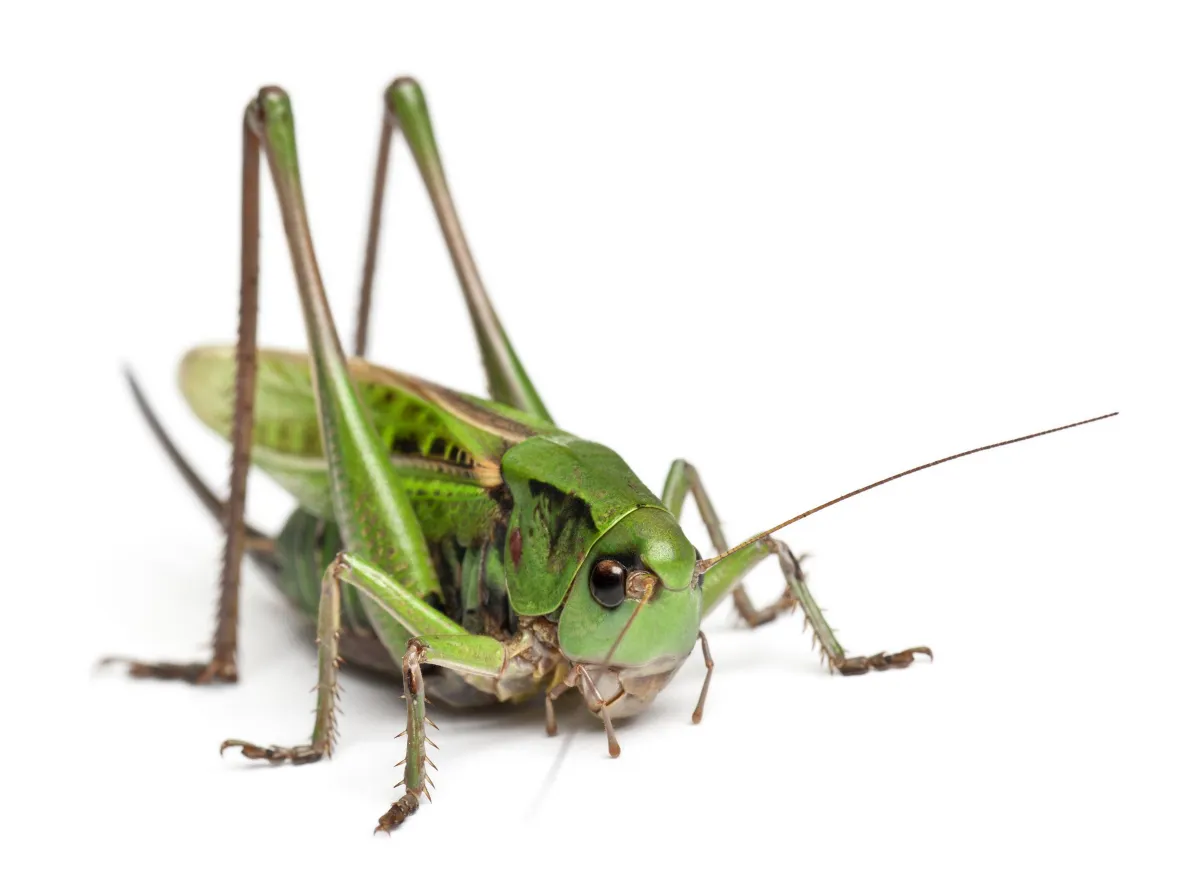

Understanding Crickets
What Are Crickets?
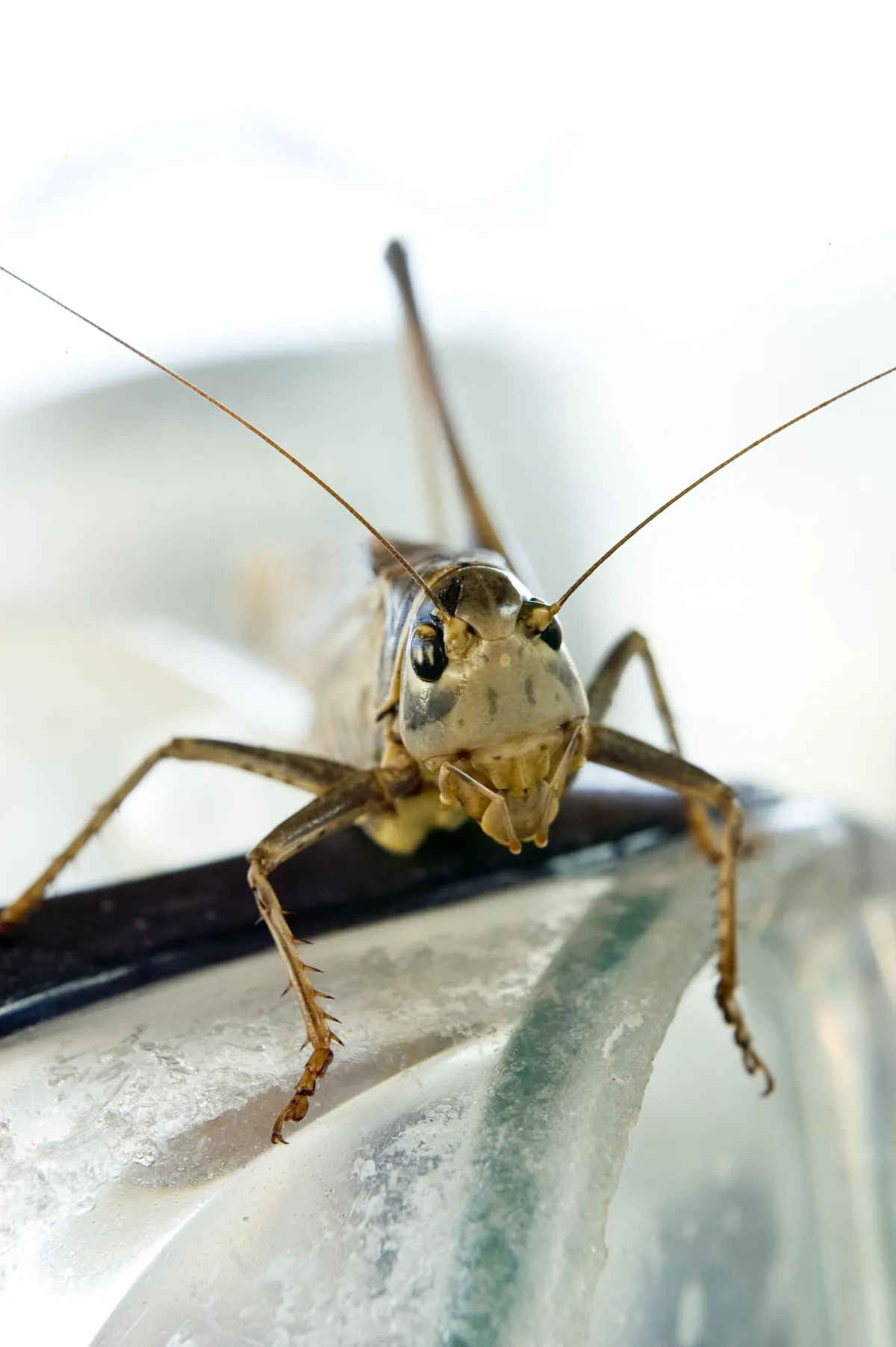
Crickets are common household pests that can quickly become a nuisance with their loud chirping. Though they generally live outdoors, crickets can invade buildings, searching for food, water, and shelter. These nocturnal insects are characterized by their distinctive chirping sounds produced by males to attract mates. Indoors, crickets can be found in crawl spaces, cellars, or basements, while outdoors they typically live in tall weeds and heavy vegetation.
Cricket Characteristics
Appearance: Long antennae, powerful hind legs for jumping, and leathery wings
Size: Range from 1/2 inch to just over 1 inch in length depending on species
Body Structure: Three main body parts (head, thorax, abdomen) and six legs
Lifespan: Complete metamorphosis with three stages: egg, nymph, and adult
Diet: Omnivorous, feeding on fabric, plants, other insects, and organic matter
Common Household Cricket Species
Several factors can make your home attractive to crickets:
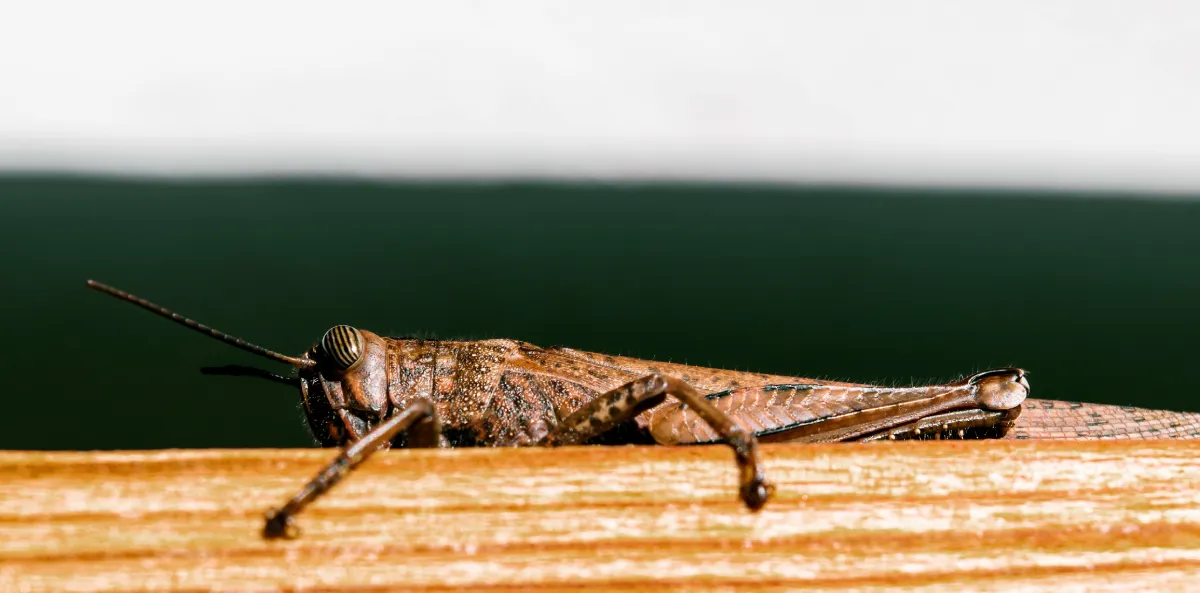

House Cricket
Size: 3/4 to 1 inch long
Color: Yellowish-brown with three dark bands on the head
Behavior: Often found in warm areas of the home like kitchens and near fireplaces
Concern: Can damage clothing and fabrics, especially those soiled with food or perspiration
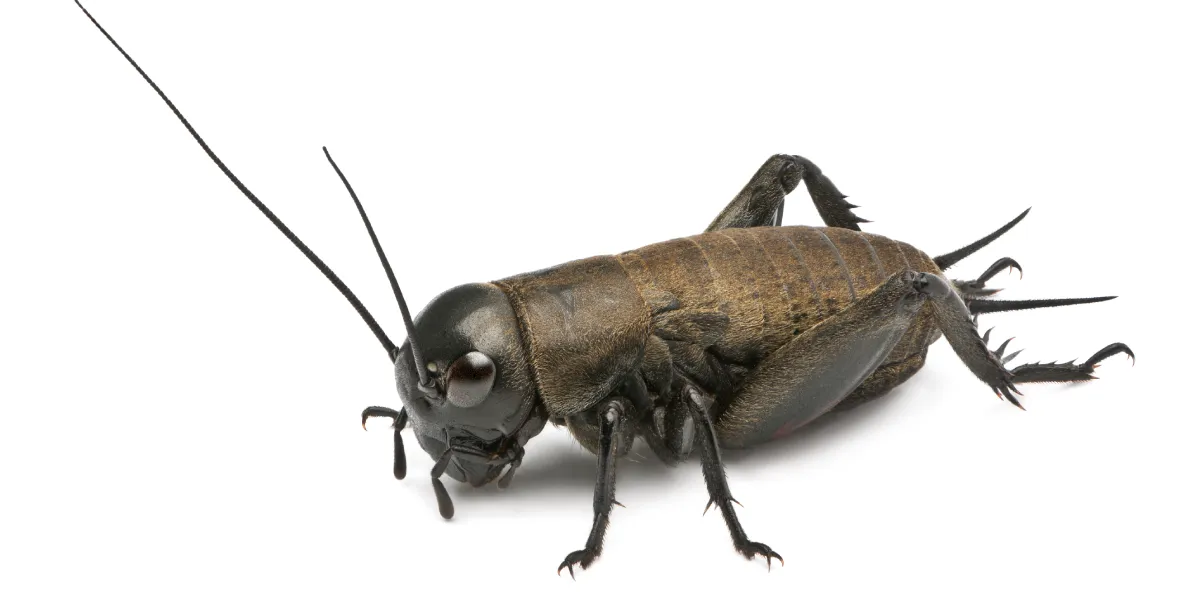

Field Cricket
Size: 1/2 to 1 inch long
Color: Black or dark brown
Behavior: Typically outdoor pests that may invade homes in large numbers during fall
Concern: Their loud chirping can be disruptive, especially at night
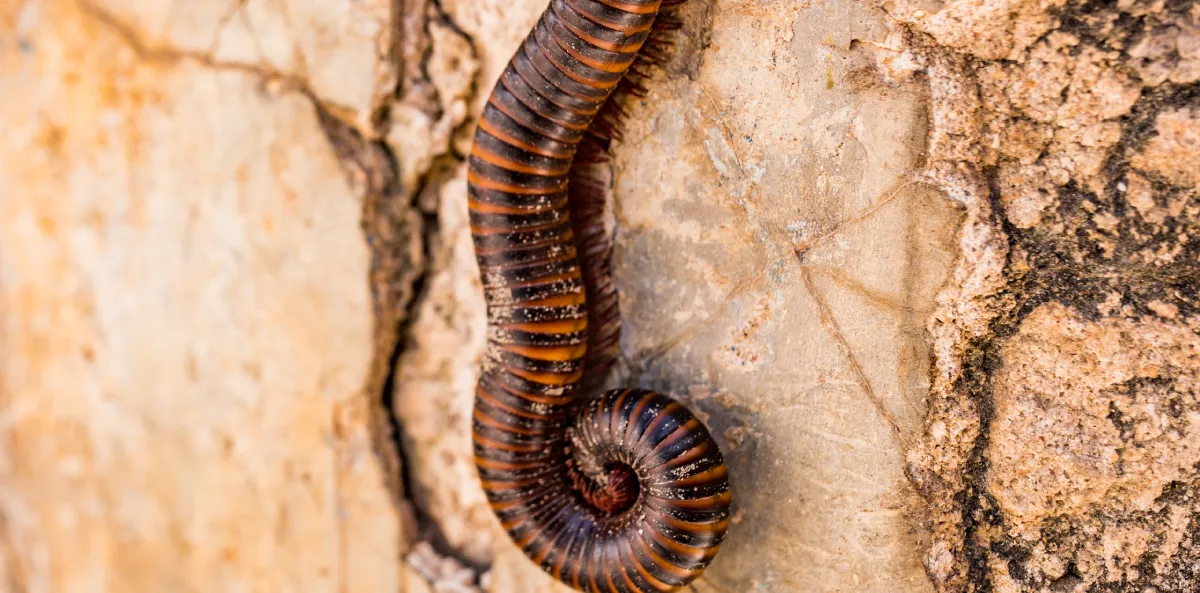

Garden Millipede
Size: 1/2 to 1-1/2 inches long
Color: Light to dark brown with banded legs and mottled pattern
Behavior: Found in damp, dark areas like basements and crawl spaces
Concern: Can jump directly at perceived threats, startling homeowners

Signs of a Cricket Infestation
You may have a cricket problem if you notice:
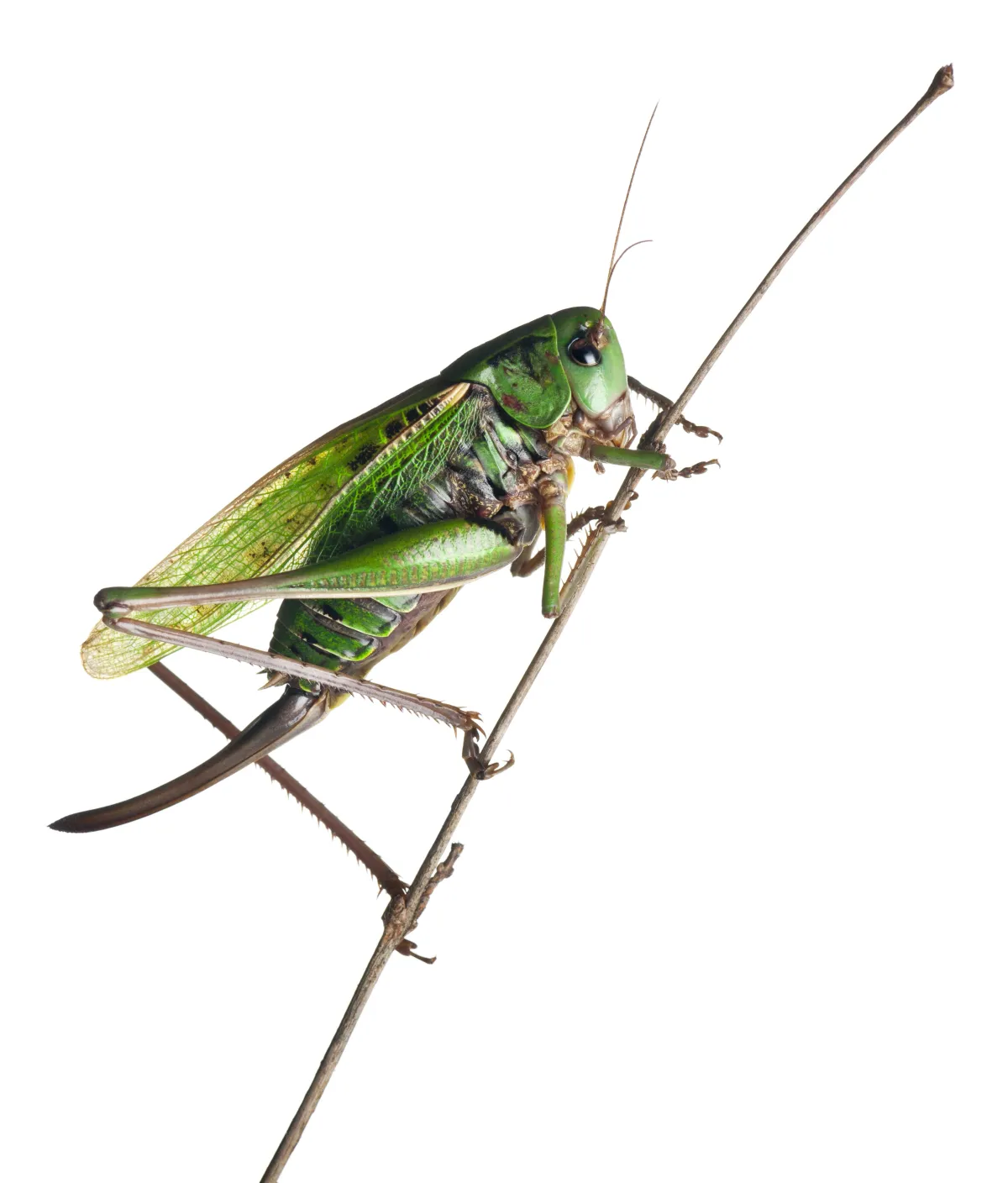
Image Chirping Sounds:
Persistent chirping sounds at night
Image Droppings:
Dark, small droppings in the suspected infested area
Image Fabric Damage:
Damage to clothing or other fabrics
Image Live Crickets:
Visible crickets inside your home or property
Image Nighttime Activity:
Increased cricket sightings when turning on lights at night
Hidden Indications
Nocturnal Activity:
More cricket sightings and sounds at night
Damp Areas:
Crickets congregating in moist areas like basements and bathrooms
Seasonal Patterns:
Increased cricket activity during late summer and early fall
Silent Periods:
Chirping that stops suddenly when disturbed, indicating awareness of your presence
The Risks of Cricket Infestations
Crickets can cause several problems in your home:
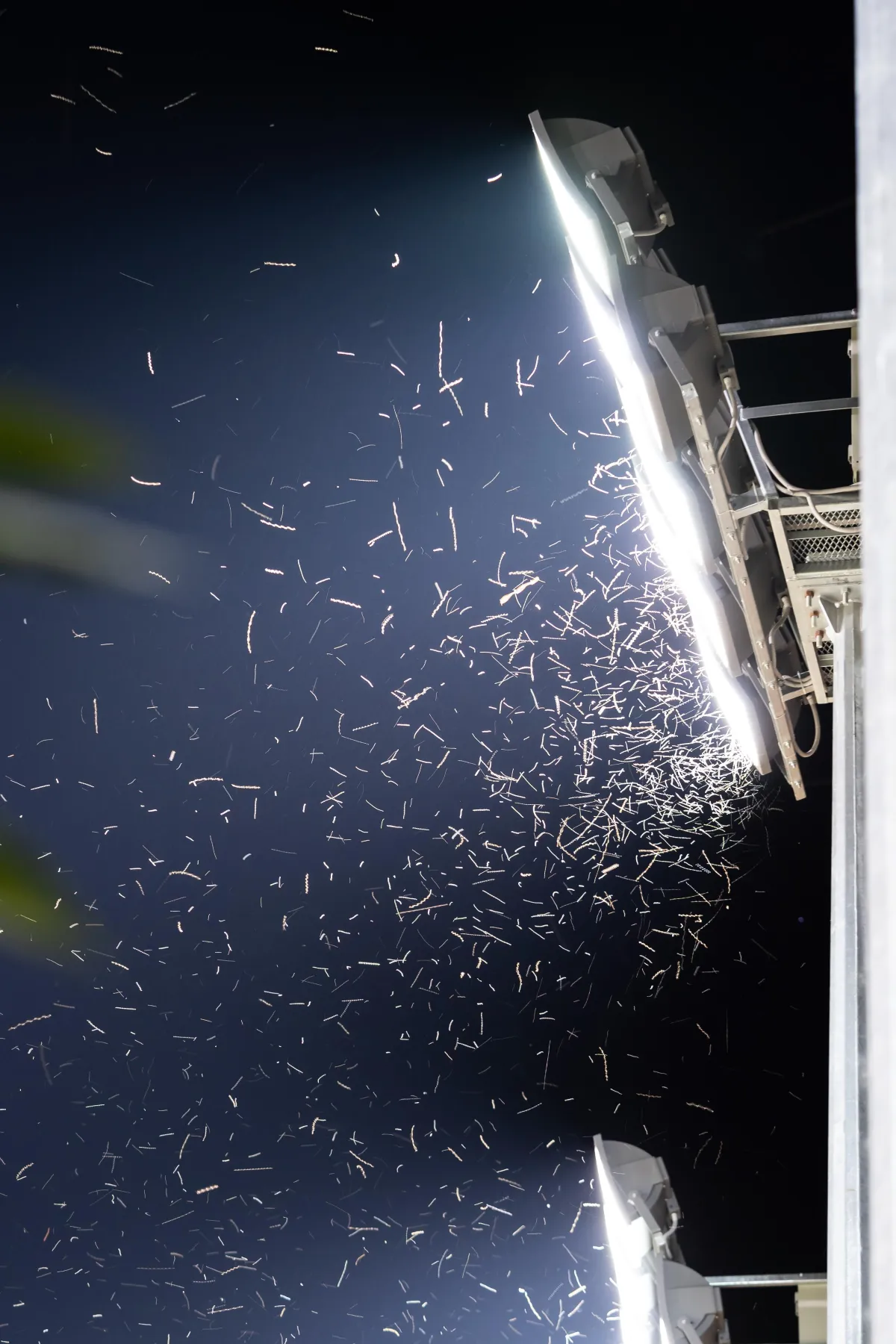
Image Sleep Disruption:
Their constant chirping can cause restless evenings and sleep disturbances
Image Fabric Damage:
Crickets can eat through and damage clothing, curtains, and upholstery
Image Secondary Pests:
Their presence can attract spiders and other predatory pests
Image Allergic Reactions:
Some people may experience allergic reactions to cricket droppings
Image Property Nuisance:
Large numbers can be unsightly and disturbing to residents and guests

Our Comprehensive Cricket Control Approach
We take a multi-faceted approach to cricket control:

Thorough Inspection
Our technicians will conduct a detailed inspection to: Evaluate the species, size, and location of your cricket infestation
Locate where crickets may be harboring within your home
Identify problem areas where they are getting inside
Determine the severity of your infestation
Customized Treatment Plan
Based on our findings, we'll develop a tailored cricket control strategy that may include:
For Indoor Infestations
Targeted treatments for affected areas with active cricket populations
Integrated treatment methods to deliver the best results
Customized solutions that consider your home layout and family needs
For Perimeter Protection
Perimeter treatments to create a protective barrier
Treatment for outdoor areas with high cricket activity
Recommendations for reducing vegetation against buildings
For Long-term Prevention
Scheduled routine inspections to ensure crickets do not return
Yellow light recommendations instead of white lights that attract crickets
Guidance on sealing entry points and reducing moisture
Prevention Strategies
We'll help prevent future cricket problems by:
Recommending moisture control solutions
Suggesting proper outdoor lighting modifications
Advising on regular inspection and maintenance routines
Identifying and sealing entry points
Follow-Up Protection
Our commitment to cricket control includes:
Monitoring for new activity
Additional treatments as needed
Continuous protection against future infestations
Scheduled follow-up visits to ensure complete elimination

Cricket Prevention Tips
To help keep crickets away from your home:
Entry Point Management
Seal entry points - Seal any cracks or gaps around the interior and exterior of your home
Install door sweeps and repair damaged window screens
Use yellow lights instead of white lights that attract crickets
Reduce clutter that can serve as hiding spots for crickets
Moisture Control
Reduce moisture - Fix any leaks and remove standing water
Use dehumidifiers in damp areas like basements
Ensure proper drainage around your foundation
Ventilate crawl spaces and basements properly
Yard Management
Reduce dense vegetation against buildings
Keep grass trimmed short around the house
Remove piles of leaves, wood, and debris near the home
Maintain a clean environment free of cardboard boxes and clutter

The Risks of Cricket Infestations
Crickets can cause several problems in your home:

Nuisance Issues
Noise Disturbance: Male crickets chirp loudly at night, disrupting sleep and causing annoyance
Startling Presence: Some cricket species, like cave crickets, may jump directly at you when startled
Unsightly Appearance: Large numbers of crickets can be alarming and unattractive
Property Concerns
Fabric Damage: Crickets enjoy fabric that's been soiled by food or perspiration and can damage cotton, silk, wool, linen, and furs
Attraction of Predators: Their presence can attract spiders, centipedes, and other predatory pests
Home Invasion: Seasonal migrations can lead to large numbers entering homes simultaneously
Our Cricket Control Guarantee
We stand behind our services with our satisfaction guarantee. If crickets return between scheduled treatments, so will we—at no additional cost to you.
Frequently Asked Questions
Get answers to common questions about crickets
How do I get rid of crickets from my house?
There are several DIY methods you can use to get rid of crickets, such as creating a DIY trap with molasses and water, using sticky traps in the kitchen or near baseboards, applying diatomaceous earth or boric acid in small cracks or crevices, and reducing indoor moisture. However, for the most effective results, it's best to hire a professional cricket control expert who can use the latest technology and knowledge to offer safe, reliable cricket pest control services.
Why do crickets chirp?
Male crickets chirp to attract mates. They produce this sound by rubbing their wings together. Each cricket species has its own unique chirping pattern. The chirping is most noticeable at night because crickets are nocturnal insects and this is when they're most active in seeking mates
What attracts crickets in the house?
Crickets are attracted to warmth, moisture, food, and light. They seek shelter indoors when outdoor conditions become unfavorable, especially during temperature changes. White lights can draw them toward your home, and they enter through cracks and openings. Inside, they're attracted to damp areas like basements and bathrooms, as well as cluttered spaces that provide hiding places.
Are crickets dangerous?
Although crickets are not typically dangerous to humans, Jerusalem Crickets (also called potato bugs) may bite if they feel threatened, potentially causing moderate yet short-lived pain. The main concerns with crickets are the property damage they can cause to fabrics, the sleep disruption from their chirping, and the secondary pests they may attract.
What can cause a cricket infestation?
Cricket infestations are caused by several factors. Dense vegetation against buildings can create suitable microclimates for crickets. White lights attract them to your home, while cracks and gaps provide entry points. High moisture areas inside and outside your home create favorable conditions, and clutter like cardboard boxes and paper bags offer perfect hiding spots for these pests.
Ready for Cricket-Free Living?
Don't let crickets disrupt your sleep and damage your belongings. Our professional cricket control services provide effective, lasting solutions to eliminate these noisy pests. 100% Satisfaction Guarantee Licensed & Insured Technicians Same-Day Service Available
Or call us directly
(866) 555-7890
We guarantee your satisfaction—if crickets return between scheduled treatments, so will we at no additional cost.



© Copyright 2026. [Snapshot] -[Lead Machine: Pest Control]. All Rights Reserved.